What is Neurosurgery Awareness Month?
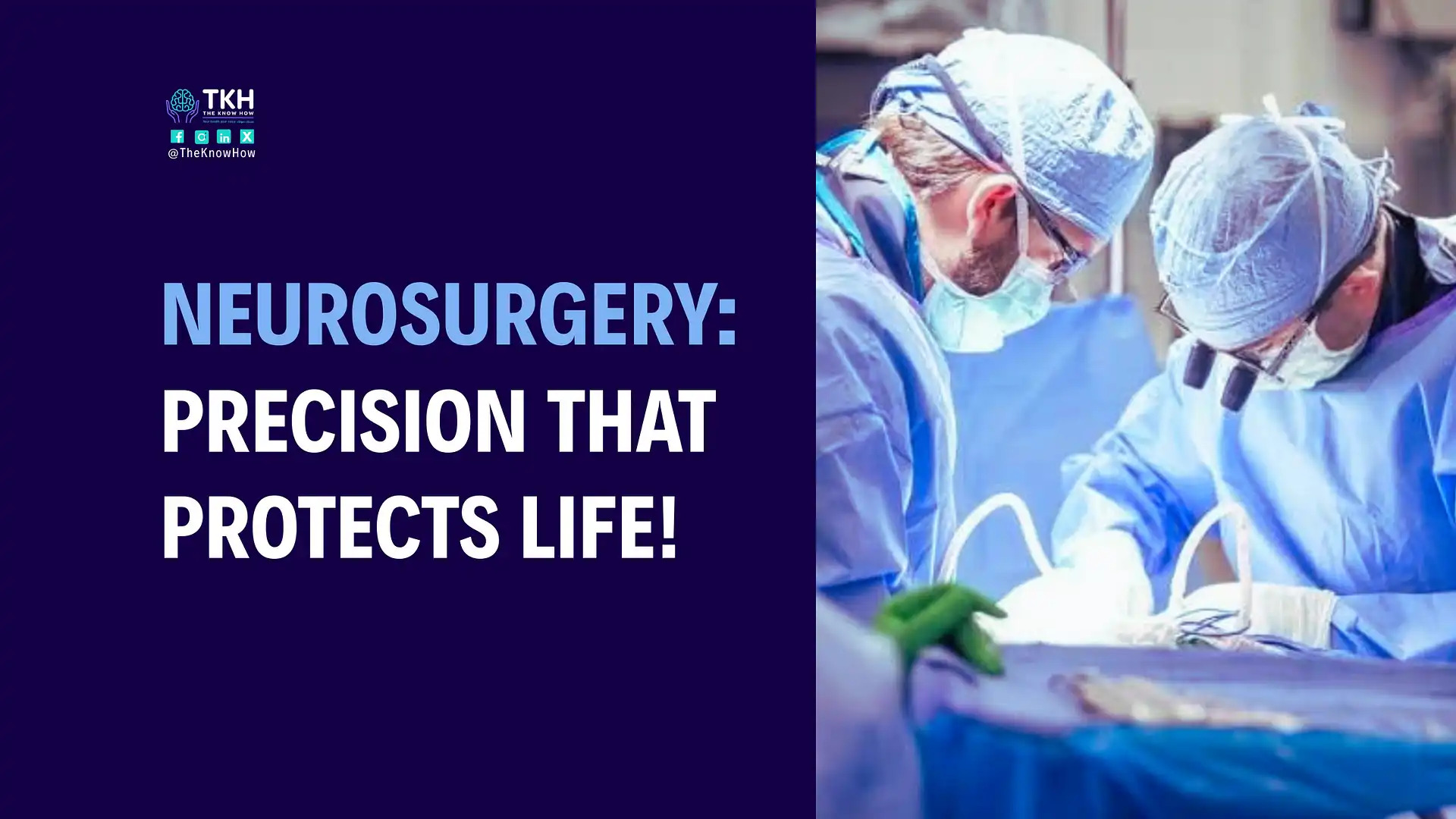
Neurosurgery Awareness Month celebrates and raises awareness about the vital specialty of neurosurgery—a field dedicated to treating diseases and disorders of the brain, spinal cord, and peripheral nervous system. This awareness campaign highlights the importance of neurological health, educates patients about common conditions, and emphasizes the critical role neurosurgeons play in improving quality of life.
From traumatic injuries to chronic conditions, neurological disorders affect millions of people worldwide. Many of these conditions require specialized surgical intervention, making neurosurgery one of the most important medical disciplines. Understanding what neurosurgery is, which conditions it treats, and how advancements in the field are changing patient outcomes is essential for anyone facing a neurological diagnosis.
What is Neurosurgery?
Neurosurgery is a medical specialty that focuses on the surgical treatment of diseases affecting the nervous system. This includes the brain, spinal cord, skull base, spine, peripheral nerves, and cerebrospinal fluid. Neurosurgeons are physicians who complete extensive training—often 15+ years including medical school, general surgery residency, and neurosurgery fellowship—to master the complex anatomy and surgical techniques required in this field.
The scope of neurosurgery is remarkably diverse, ranging from minimally invasive procedures to complex open surgeries. Modern neurosurgeons utilize cutting-edge technologies including intraoperative imaging, neuronavigation systems, endoscopes, and robotic-assisted platforms to achieve better outcomes and minimize patient trauma.
Common Neurological Conditions Treated by Neurosurgeons
Neurosurgeons treat a wide spectrum of conditions affecting the nervous system. Here are some of the most common:
- Brain Tumors
- Spinal Cord and Vertebral Disorders
- Cerebrovascular Conditions
- Traumatic Brain and Spinal Cord Injury
- Functional Neurological Disorders
- Infections of the Nervous System
Why Neurosurgery Matters: The Stakes are High
Neurosurgery is unlike other surgical specialties because the brain and spinal cord are irreplaceable. They control every function of the human body—movement, sensation, thought, emotion, and organ function. A single surgical error or suboptimal decision can result in permanent disability or loss of life.
This is why neurosurgery demands exceptional expertise. Neurosurgeons must possess:
- Deep anatomical knowledge of incredibly complex neural structures
- Mastery of advanced intraoperative monitoring techniques to preserve function
- Experience with the latest surgical technologies and minimally invasive approaches
- Judgment about when surgery is beneficial versus when conservative management is best
- Understanding of how different treatment approaches affect long-term outcomes
Advances in Neurosurgery: Improving Patient Outcomes
Modern neurosurgery has undergone a revolution in recent years, with technological advances significantly improving patient outcomes. Key innovations include the following:
- Intraoperative MRI and Neuronavigation
- Awake Craniotomy
- Minimally Invasive Techniques
- Precision Medicine and Genomics
- Robotic Assistance
Empowering Yourself: Informed Decision-Making in Neurosurgery
If you or a loved one receives a neurosurgical diagnosis, the path forward involves critical decisions. Understanding your condition and available treatment options is the foundation of good medical care. Here are key steps to take:
- Understand Your Diagnosis Thoroughly
- Learn About All Treatment Options
- Ask About Experience and Outcomes
- Discuss Recovery and Long-Term Outcomes
The Value of a Second Medical Opinion in Neurosurgery
Given the complexity of neurosurgical conditions and the significance of treatment decisions, seeking a second medical opinion is not a sign of distrust—it’s a sign of good judgment. A second opinion from an independent neurosurgeon provides enormous value.
Why Second Opinions Matter in Neurosurgery:
- Diagnostic Confirmation
- Alternative Treatment Pathways
- Independent Risk Assessment
- Access to Specialized Expertise
- Confidence in Your Decision
How to Get a Second Medical Opinion
Getting a second opinion is straightforward and shouldn’t delay your care:
- Gather Your Medical Records
- Choose Your Second Opinion Provider
- Schedule and Attend Consultation
- Review and Compare Recommendations
Precision Medicine and Comprehensive Medical Assessments
Modern neurosurgery relies increasingly on precision medicine—the practice of tailoring treatment to each patient’s unique genetic, molecular, and clinical characteristics. When you seek a second medical opinion, ask whether precision medicine approaches are available for your condition.
Additionally, a comprehensive medical assessment before any neurosurgery is essential. This should include evaluation of your neurological function, cardiovascular status, ability to tolerate anesthesia, and psychological readiness for surgery. A second opinion neurosurgeon can provide an independent assessment of your surgical readiness and identify any optimization strategies to improve outcomes.
Advocating for Your Neurological Health
Neurosurgery Awareness Month highlights the importance of understanding brain and spine health. In serious neurological conditions, informed decisions matter—seek expert advice, understand your treatment options, and consider a second medical opinion when appropriate. Knowledge, expert guidance, and multiple perspectives can help you make confident decisions about your care.
Behind every neurosurgical journey is a life, a story, and a hope for tomorrow.
For additional information you can visit:
The following website:
FAQ SECTION
A contribution by Dr. Taiba Ahmed
@TheKnowHow
Neurosurgery
Neurosurgery Awareness Month