
Spinal Muscular Atrophy: Symptoms, Types and Treatment
Spinal muscular atrophy second opinion UAE: if your child has been diagnosed with SMA, an independent spinal muscular atrophy second […]
Spinal muscular atrophy second opinion UAE: if your child has been diagnosed with SMA, an independent spinal muscular atrophy second […]
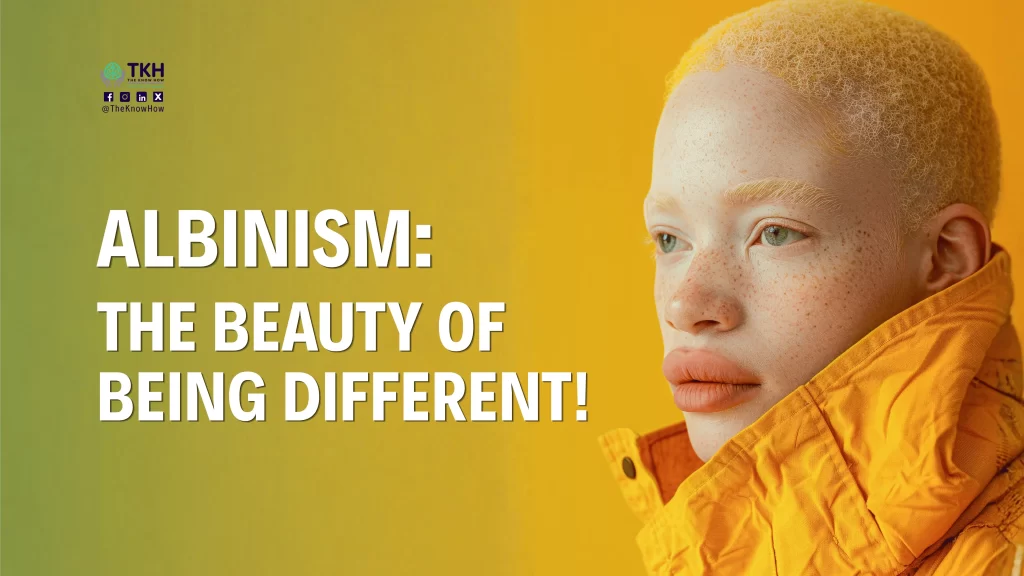
Proudly In My Skin: Celebrating All Skin Tones The 2026 theme “Proudly in my skin—celebrating all skin tones” is also
Individual Rare, Collectively Common – What is a Rare Disease Rare diseases may be uncommon individually, but together they affect
Today, we listen to a physician and mother, reflecting on her own medical odyssey with her son diagnosed with a rare genetic condition
There is no “right way” to live with a disease like SMA. Every person’s experience is different, and it’s every person’s right to decide what SMA means for them.
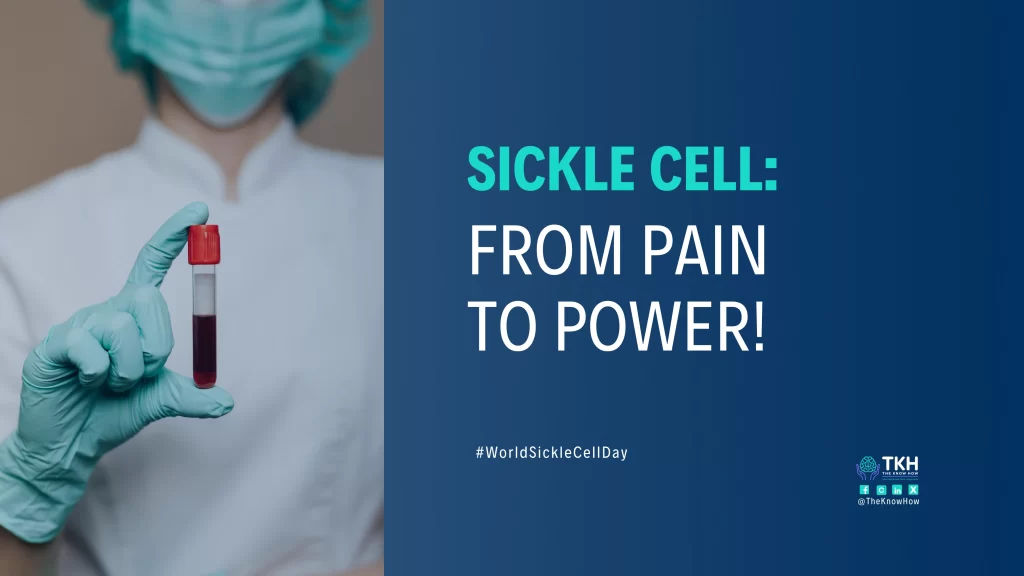
Sickle cell disease is a serious inherited blood disorder that affects millions worldwide, altering the shape of red blood cells and causing lifelong health complications.

Down Syndrome Day, celebrated annually on March 21st, is a worldwide initiative to increase awareness and advocate for the inclusion of individuals with Down Syndrome. This genetic condition results from an extra copy of chromosome 21 and influences various aspects of health and development.
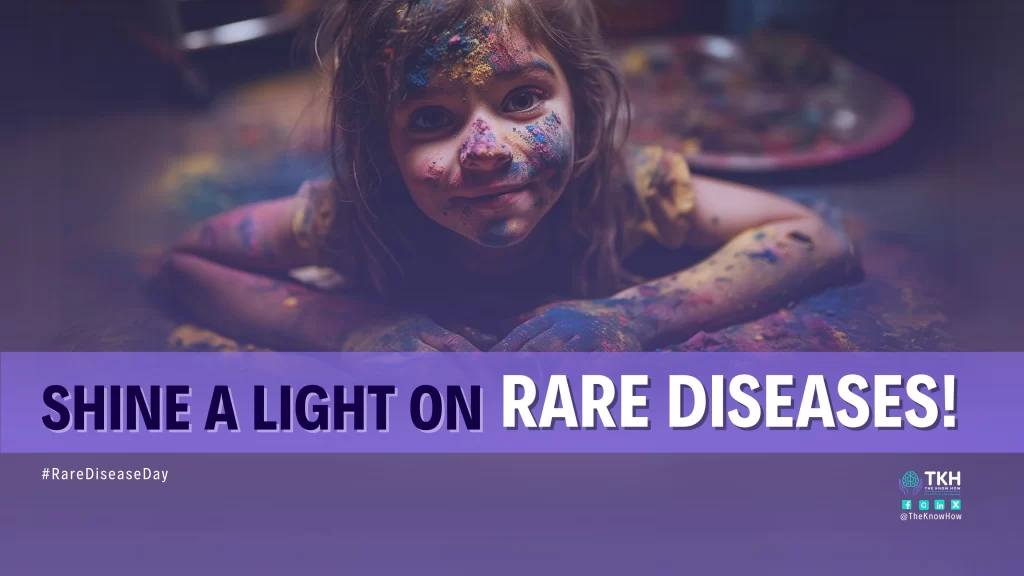
Millions worldwide are affected by rare diseases, often beginning in childhood. While each disease is uncommon, together they impact one in ten people. Patients face a long and challenging journey, from delayed diagnoses to limited treatment options. Genetic research and international collaboration are crucial for the future of these patients and their families. Raising awareness, sharing knowledge, and offering support are key to improving the lives of those living with a rare disease.

Spinal Muscular Atrophy (SMA) is a rare genetic disorder that affects motor neurons, leading to progressive muscle weakness. Thanks to recent advances, new treatments now offer improved quality of life and motor abilities, especially when diagnosed early. Every family deserves information, support, and guidance throughout their care choices.

Fragile X Syndrome is the most common inherited cause of intellectual disability in children, affecting about 1 in 2,400 births. Early diagnosis and support can help maximize the potential and independence of affected children. While there is currently no cure, tailored therapies and community resources empower families to overcome challenges and foster a supportive environment.