
Neurosurgery Awareness Month: When Brain & Spine Health Can’t Wait.
What is Neurosurgery Awareness Month? Neurosurgery Awareness Month celebrates and raises awareness about the vital specialty of neurosurgery—a field dedicated […]
What is Neurosurgery Awareness Month? Neurosurgery Awareness Month celebrates and raises awareness about the vital specialty of neurosurgery—a field dedicated […]

migraine awareness month treatment: at TheKnowHow, we provide independent expert guidance on migraine awareness month treatment for UAE patients. Understanding

World Parkinson’s Day 2026. Beyond the Tremor: Understanding Parkinson’s Disease World Parkinson’s Day is a yearly international awareness day that
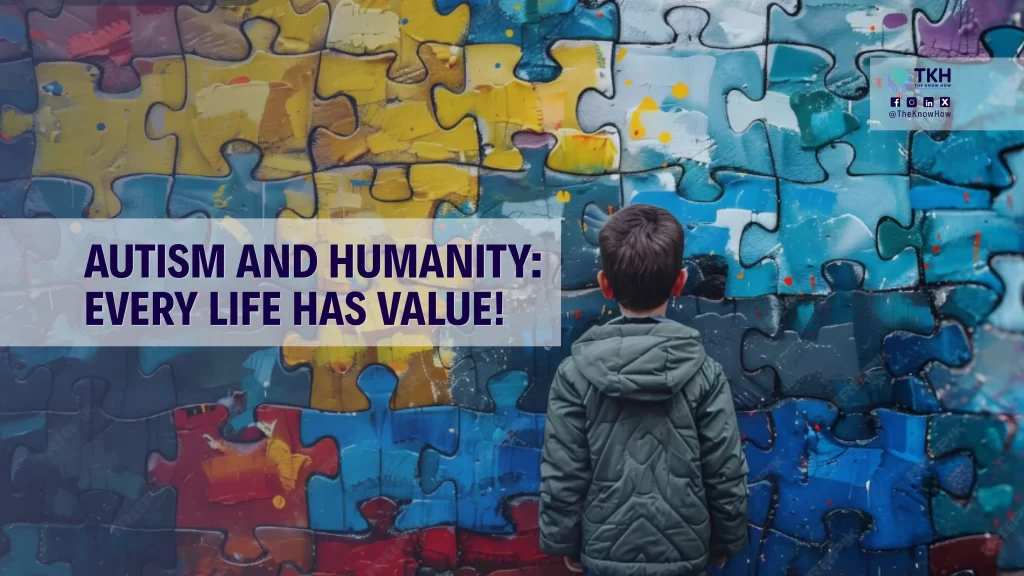
Autism Spectrum Disorder: Why Early Detection Matters Most What is Autism Spectrum Disorder? Autism Spectrum Disorder (ASD) is a neurodevelopmental
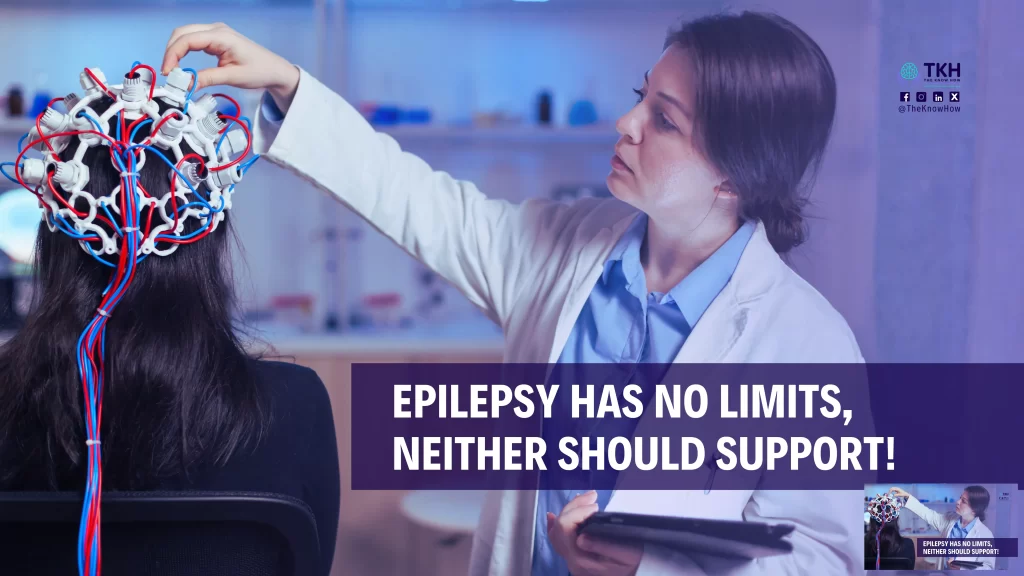
The word ‘epilepsy’ is derived from the Greek word meaning ‘to be seized, to be overwhelmed by surprise’. To have

“Ask about Alzheimer’s.” highlights the importance of open conversations—to encourage early diagnosis, therapy, and reduce the stigma.

Understanding the Causes of Multiple Sclerosis
The exact cause of MS remains unknown, but research highlights a complex interplay of genetic and environmental factors. Key contributors include:
Genetic predisposition: Certain genes increase susceptibility, but MS is not directly inherited.

Epilepsy is a complex neurological disorder with many forms and causes. This post aims to raise awareness and break down the stigma by sharing key facts about epilepsy, its symptoms, and the importance of proper diagnosis and treatment for those affected.

Headaches are one of the most common health complaints. While they can be bothersome and sometimes disruptive, most headaches are harmless and resolve on their own. Primary headaches—such as tension headaches, migraines, and cluster headaches—account for the vast majority and are usually not caused by serious diseases. Identifying and avoiding triggers, maintaining a healthy lifestyle, and using medications cautiously can help manage symptoms and prevent chronic discomfort. If headaches are persistent, severe, or accompanied by other unusual symptoms, it’s important to seek medical advice for proper diagnosis and treatment

Autism spectrum disorder affects around one out of every 100 children and is characterized by challenges in social interaction and communication, as well as repetitive behaviors. Early identification and intervention can greatly improve a child’s development and ability to cope with autism. Awareness and support from society, family, and dedicated centers are key in helping autistic individuals thrive and reach their full potential.