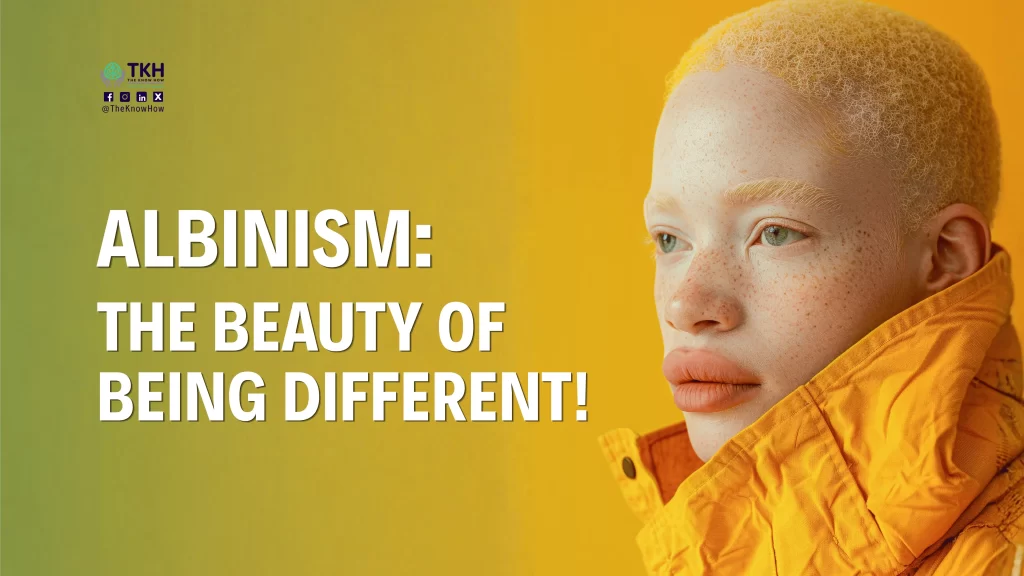
Proudly In My Skin: Celebrating All Skin Tones
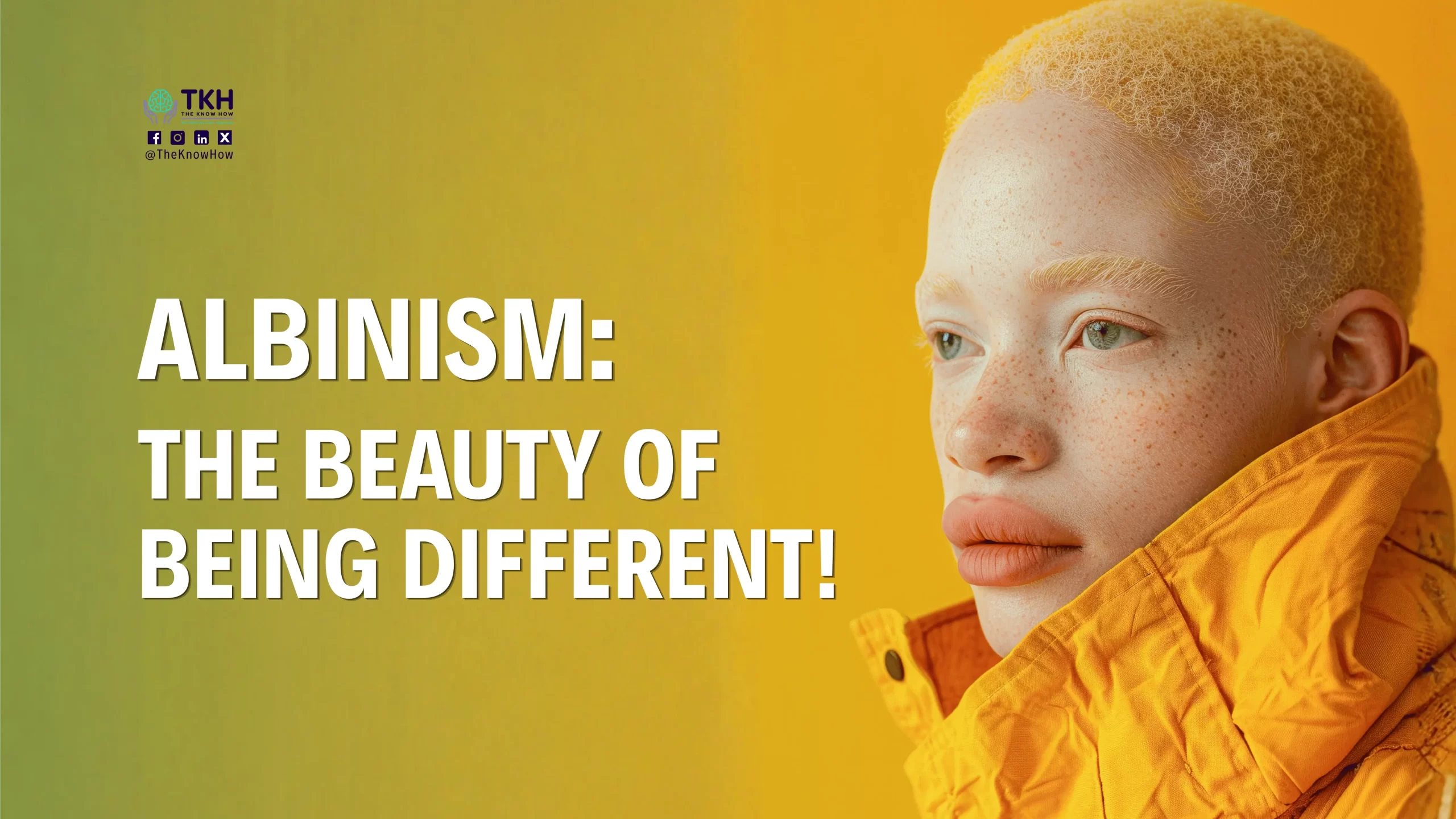
The 2026 theme “Proudly in my skin—celebrating all skin tones” is also a message deeply connected to human rights, dignity, and mental well-being.
The UN’s General Assembly voted on December 18, 2014, to name June 13 International Albinism Awareness Day. This first historic resolution affirms global support of albinism advocacy. NOAH stands with the global albinism community in promoting June 13 as the annual date to celebrate and raise albinism awareness.
What is Albinism?
- The term “Albinism” usually refers to oculocutaneous
- Albinism is a genetic condition and one of the rarer genetic disorders. It occurs from birth and affects the ability to produce melanin, which is the color pigment in skin, hair, and the eyes.
- Albinism occurs in people of all skin types and affects males and females throughout the world.
It is very sensitive to sunlight and bright light, leading to a higher predisposition of skin cancer. Furthermore, the majority of affected people with the condition are also vision impaired to some extent, and although it is incurable the relevant care can ensure a healthy life for the affected person.
- Albinism occurs quite rarely; approximately 1 person in every 17,000-20,000 North Americans and Europeans suffers from the condition. However in sub-Saharan Africa rates are much higher for some specific ethnic groups.
What are the symptoms of albinism?
Symptoms of albinism are apparent in the skin, hair, eyes, and vision.
Skin:
With the most easily detected form of albinism, hair will be white and skin color very pale compared with your siblings’ or other blood relatives’. But skin color and hair color can range from white to brown. Some Africans with albinism can have light brown to red-brown skin, and some can even have freckles. Some with albinism have similar skin colors to their siblings and parents.
Over time the following may occur if you are exposed to the sun:
- Freckles.
- Moles (these may be colored or not, or pink).
- Large freckle-like patches, solar lentigines (len-TIJ-ih-neez).
- Sunburn; unable to tan.
Sometimes there is no change to the skin color. Sometimes melanin can appear or become stronger as you enter adolescence and young adulthood.
Hair:
Hair color varies from extremely white to brown, with possible yellow, red or brown hair in people of Asian or African descent with albinism. Hair can eventually darken but it can also stain through contact with mineral elements in water and the environment, giving the appearance of darkening over time.
Eyes:
Lashes and eyebrows can be very pale and eye color can range from pale blue to brown, also subject to change over time.
Vision:
This is the distinguishing feature in all cases of albinism. Eye conditions may include the following:
- nystagmus
- Strabismus
- photophobia
- astigmatism
- poor vision.
- Optic nerve misrouting
- Poor depth perception
- Complete blindness or legal blindness (vision of 20/200 or worse).
What causes albinism?
Autosomal recessive inheritance pattern.
Melanin is produced by the cells called melanocytes in the skin, hair and eyes according to the instructions of specific genes. The change of one of these genes can cause albinism-each type is associated with a different specific gene change and this change will mean that little or no melanin is produced.
Different types of albinism
There are many forms of albinism based on the gene that is faulty or how it is passed down.
- Oculocutaneous albinism (OCA)
- Ocular albinism
- Rare inherited syndromes that include albinism
Risk factors
The risk factors depend on whether both parents or one parent carries a faulty gene, with different types of albinism having different inheritance patterns.
Complications
Albinism is associated with both eye and skin problems. It can also result in significant social and emotional difficulties.
Health problems with albinism
As people with albinism do not have adequate melanin in their skin they are exposed to higher amounts of ultra violet radiation (UV) making them at much higher risk of skin cancer. Regular skin screening, use of sun block, protective clothing and sun glasses must be worn to counter this however this is a readily available service in many parts of the world and leads to health consequences that can be largely prevented through correct management of the condition. Another effect of people with albinism having little or no melanin pigment is the permanent and severe nature of the resulting visual problems.
Social and emotional problems
The difference in people’s attitudes towards those with albinism may be the cause of their problems. People can be subjected to harassment, and their appearance may be ridiculed. The fear of being targeted can lead to people avoiding social interactions. Bullying and ridicule are common, as is intrusive questioning about the problem or their eye conditions. People with albinism can sometimes be seen as outsiders, or have the experience of being outsiders-in relation to their own family or ethnic group, as well as in broader society. This can lead to problems such as social exclusion, and poor self-esteem. People with albinism generally prefer to be called “people with albinism” as other labels often have negative associations.
An article of “ The Impact Of Stigma On People With Albinism In Africa “:
There are many unique psychosocial issues that surround individuals with genetic disorders.to be different is to be set apart, a basis for labelling, stereotyping and exclusion.There is a complex interaction between albinism and stigmatisation, and the personal characteristics and abilities of affected individuals, their families, and their environment should be taken into consideration in rehabilitation programs in Africa.
The impact of stigma on people with albinism in Africa: a narrative review
Every person deserves respect and equality.
For More Information About Albinism:
For additional information visit:
Albinism on mayoclinic
International Albinism Awareness Day
13 June on https://www.un.org/