Tiny Bite, Big Danger: Understanding Malaria
World Malaria Day 2026
World Malaria Day is observed annually on April 25th to raise awareness about malaria and the global efforts to control and ultimately eradicate the disease. This day is an opportunity to spotlight the need for continued investment and sustained political commitment for malaria prevention and control.
In 2023, the World Health Organization (WHO) estimated 263 million malaria cases and 597,000 deaths across 83 countries. Alarmingly, the WHO African Region accounted for 94% of these cases and 95% of the deaths. Children under five remain the most vulnerable, comprising about 76% of all malaria fatalities in the region. According to the latest World malaria report, there were 282 million cases of malaria in 2024, an increase of about 9 million cases (3%) compared with 2023.
What is Malaria , signs and symptoms of malaria ?
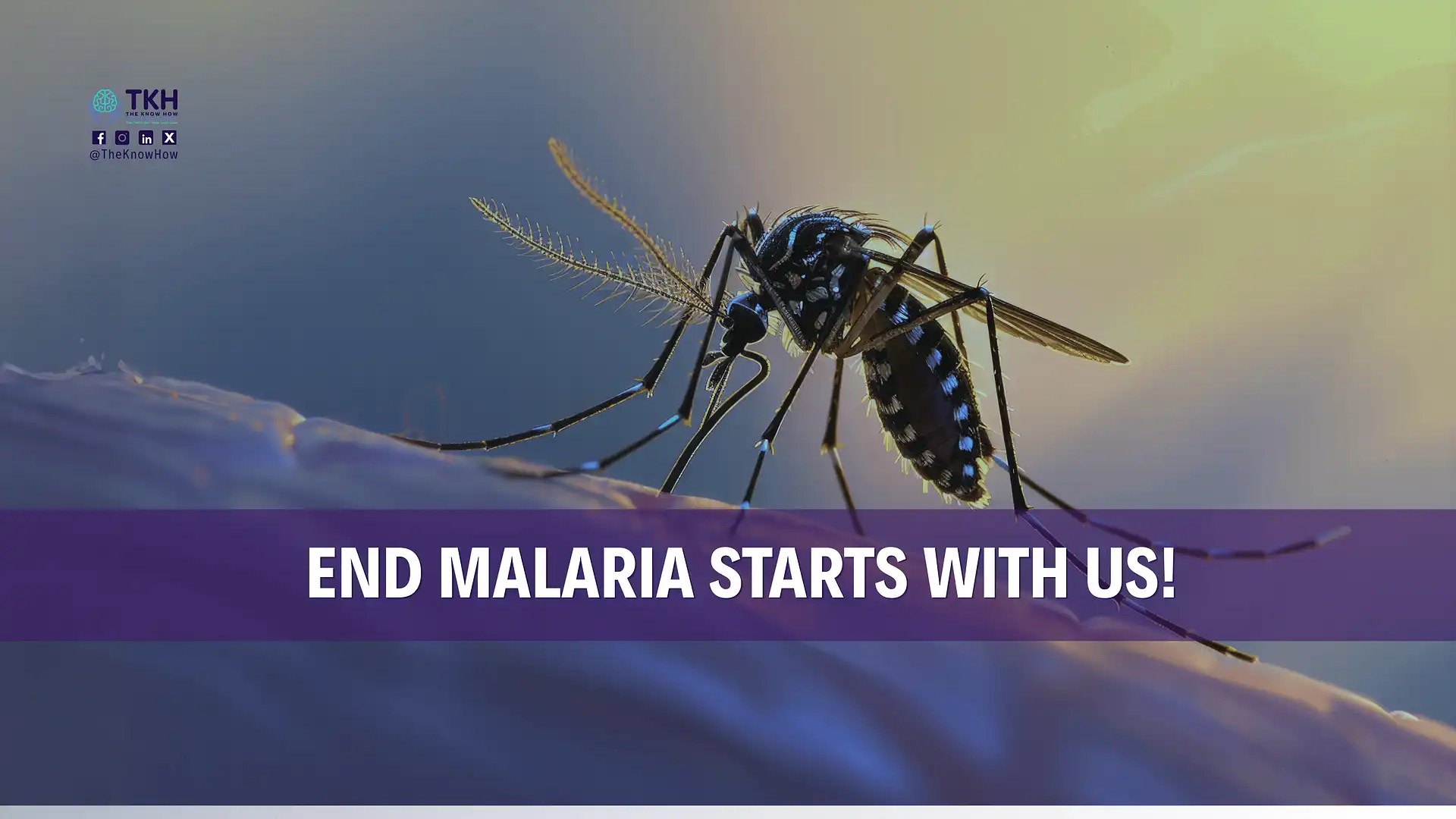
Malaria is a serious and potentially fatal disease transmitted to humans through certain types of mosquitoes. It is most common in tropical regions but can be prevented and treated.
The disease is caused by a parasite and is not spread from person to person.
Symptoms may range from mild to severe. Early signs include :
- Fever
- chills
- headaches
while more serious cases can lead to extreme :
- Tiredness
- Confusion
- Seizures
- breathing difficulties.
- Those at greater risk of severe illness include infants, children under five, pregnant women and girls, travelers, and individuals with HIV or AIDS.
Diagnosis and Treatment of Malaria :
Early diagnosis and prompt treatment of malaria are essential to reduce illness, prevent deaths, and limit its spread. Suspected cases should be confirmed with diagnostic tests such as microscopy or rapid tests.
Malaria always requires medical treatment, and doctors select the appropriate medicines based on the type of malaria, drug resistance, the patient’s age or weight, and whether the patient is pregnant.
Common treatments include anti-malarial drugs such as artemisinin-based combination therapies (especially for P. falciparum), chloroquine for certain P. vivax infections where it remains effective, and primaquine to prevent relapses in some types. Most medications are taken orally, though severe cases may require injectable treatment in a healthcare facility.
Malaria Prevention :
Prevention focuses on avoiding mosquito bites and using appropriate medications. With timely treatment, mild cases can be managed effectively and prevented from becoming severe.
About Malaria on UAE
Since 1997, the United Arab Emirates has reported no locally transmitted malaria cases. In 2007, it was officially declared malaria-free after years of successful control efforts. However, the country continues to strengthen its strategies to detect and manage imported cases, ensuring access to the latest medicines and providing treatment free of charge.
A study identifies the effect of age, education, gender, geographic location, and access to technology on malaria awareness. Closing awareness gaps by focused education, e‐interventions, and improved rural health facilities is crucial to enhancing malaria prevention and control activities. Future interventions must focus on the utilization of mobile technology and community‐based interventions to close awareness gaps and enhance equitable access to malaria information.
The study Link ; https://pmc.ncbi.nlm.nih.gov/articles/PMC12626898/#mbo370151-sec-0100
Small actions, like using a net, can save big lives.”
Stay informed, stay protected!
- For more information about Malaria visit:
- Our previous blog:
- https://theknowhow.ae/beat-malaria-now/
For additional information:
- https://www.who.int/news-room/fact-sheets/detail/malaria
- https://mohap.gov.ae/en/w/elimination-of-malaria-uae-a-role-model-for-combating-infectious-diseases-locally-and-internationally
A contribution by Dr. Taiba Ahmed
@TheKnowHow
Infectious disease
Malaria
Categories
-
Healthcare System
-
Ramadan
-
Cardiology
-
Dermatology
-
Endocrinology
-
Gastrointestinal Disease
-
Genetic Disorder
-
General Health
-
Gynecology
-
Haematology
-
Infectious Disease
-
Mental Health
-
Metabolic Disorder
-
Neurology
-
Ophthalmology
-
Oncology
-
Orthopedics
-
Pediatrics
-
Pulmonology
World Malaria Day 2026: Global Progress & Prevention Updates
The global fight against malaria has achieved significant milestones in recent years. Advances in RTS,S and R21 malaria vaccines, the scaling of artemisinin-based combination therapies, and improved vector control programmes have contributed to measurable reductions in malaria mortality in several high-burden countries. However, climate change, drug resistance, and funding gaps continue to threaten progress.
World Malaria Day 2026 serves as both a celebration of progress and a call to sustain momentum. For UAE residents travelling to malaria-endemic regions, pre-travel medical consultation is essential — and TheKnowHow can support patients who require specialist infectious disease advice or a second opinion following a malaria-related diagnosis.