Get the Shot, Not the Illness
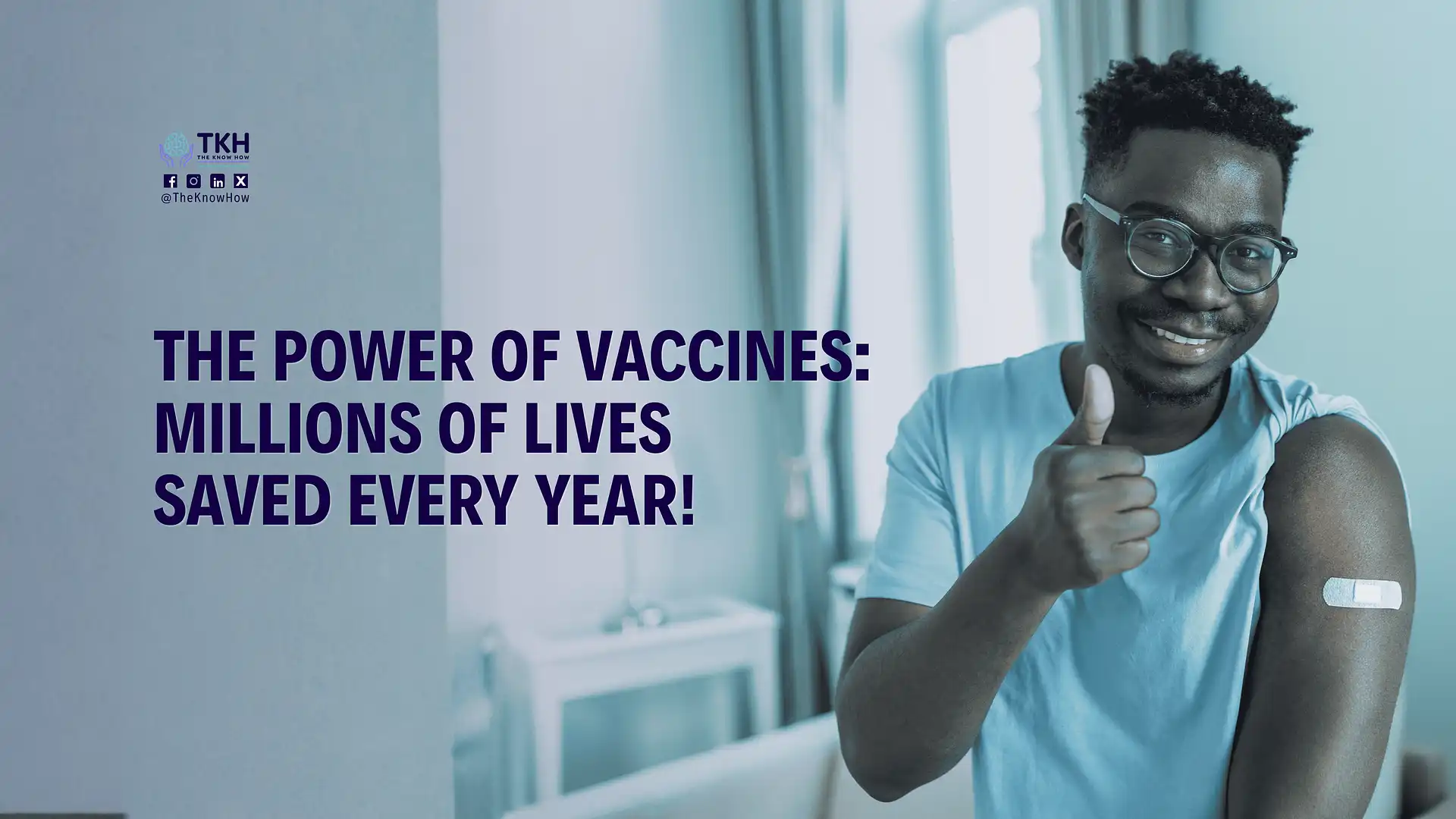
Vaccines are among the most powerful inventions in history, making once-feared diseases preventable,” said WHO Director-General, Dr Tedros Adhanom Ghebreyesus. “Thanks to vaccines, smallpox has been eradicated, polio is on the brink, and with the more recent development of vaccines against diseases like malaria and cervical cancer, we are pushing back the frontiers of disease. With continued research, investment and collaboration, we can save millions more lives today and in the next 50 years
What is vaccination?
Vaccination is the simplest and safest way of protecting you and your community against harmful diseases, before you come into contact with them.It works by strengthening your body’s natural defenses, helping it develop protection against specific infections.
Vaccines teach your immune system to produce antibodies, similar to how it responds when exposed to a disease. Since they contain only weakened or inactivated forms of germs like viruses or bacteria, they do not cause illness or increase the risk of complications.
How does vaccines work?
Vaccines lower the risk of illness by working with your body’s natural defenses to build protection. When you receive a vaccine, your immune system reacts by:
- identifying the invading germ, such as a virus or bacteria;
- producing antibodies, which are proteins that help fight disease; and
- remembering the germ and how to combat it.
If you’re exposed to the same germ later, your immune system can respond quickly and stop it before it causes illness. This makes vaccination a safe and effective way to trigger an immune response without actually getting sick.
The immune system is designed to remember past threats. After receiving one or more doses of a vaccine, protection can last for years, decades, or even a lifetime. That’s why vaccines are so powerful—they help prevent diseases before they start, rather than treating them after infection occurs.
Diseases that are protected by vaccines ?
Many diseases can be prevented by vaccination, among them are
- Cervical cancer
- Cholera
- COVID-19
- Diphtheria
- Dengue
- Ebola virus disease
- Hepatitis A & B
- Influenza
- Japanese encephalitis
- Malaria
- Measles
- Meningitis
- Mumps
- Pertussis
- Pneumonia
- Polio
- Rabies
- Respiratory syncytial virus (RSV)
- Rotavirus
- Rubella
- Tetanus
- Typhoid
- Varicella
- Yellow fever
- tuberculosis
Some other vaccines are currently under development or being piloted, including those that protect against Zika virus or HIV.
Not all of these vaccinations may be needed in your country. Some may only be given prior to travel, in areas of risk, or to people in high-risk occupations. Talk to your healthcare worker to find out what vaccinations are needed for you and your family.
Who can get the vaccine?
Nearly everyone can get a vaccine.some precious is taken for some medical conditions like:
- chronic illnesses or treatments (like chemotherapy) that affect the immune system;
- severe and life-threatening allergies to vaccine ingredients, which are very rare; and
- if you have severe illness and a high fever on the day of vaccination.
What is in a vaccine ?
Each component in a vaccine has a specific role in ensuring its safety and effectiveness. Both vaccines and their ingredients are rigorously tested and continuously monitored to maintain high safety standards.
These components include:
- Antigens: These may be weakened or inactivated forms of a virus or bacteria, parts of them, or genetic instructions (RNA or DNA) that direct cells to produce the antigen. They help the body learn to recognize and respond to the germ if encountered again.
- Adjuvants: These strengthen the immune response, allowing vaccines to work more effectively. Substances like aluminium salts have been safely used to provide stronger and longer-lasting protection.
- Preservatives: These prevent contamination by harmful microorganisms that could grow in vaccine containers. Thiomersal is one example that has been safely used in certain vaccines for many years.
- Stabilisers: These maintain the vaccine’s quality during storage and transport, protecting it from heat, light, and environmental changes. Common examples include sugar and gelatin.
Although the names of vaccine ingredients may seem unfamiliar, many of them are naturally present in the body, the environment, or everyday foods.
Multiple vaccines or combination vaccines are safe to be taken during one visit , which can benefit by receiving all doses on time.
To increase immunization coverage, UNICEF, as one of the largest buyers of vaccines in the world, procures more than 2 billion doses every year on behalf of countries and partners for reaching almost half of the world’s children. It also works to distribute vaccines to the last mile, ensuring that even remote and underserved communities have access to immunization services.
Stay informed, stay protected!
For additional information you can visit :
WHO
A contribution by Dr. Taiba Ahmed
@TheKnowHow
Health awareness
Vaccination