World Alzheimer's Day: The Earlier You Know, The More You Can Do
What Is Alzheimer's Disease?
Alzheimer’s disease is the most common cause of dementia, a broader term for a decline in memory, thinking, and reasoning severe enough to interfere with daily life. According to the World Health Organization, Alzheimer’s disease accounts for most dementia cases worldwide and is caused by progressive damage to brain cells over time. It typically develops slowly, beginning with mild memory lapses and gradually affecting language, judgment, and the ability to carry out familiar tasks.
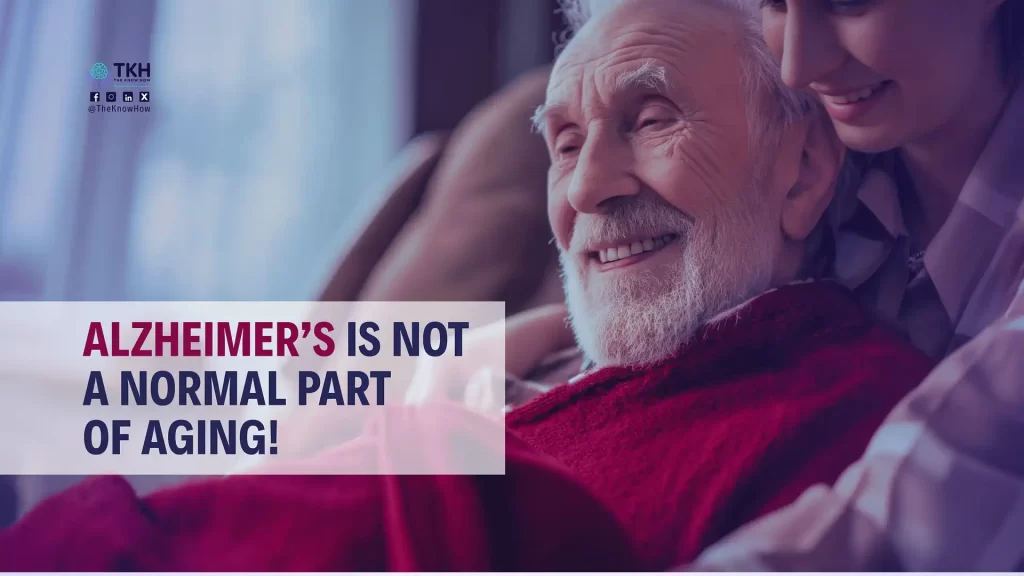
It is important to understand that Alzheimer’s is a specific disease, not simply a label for old age. While risk increases with age, Alzheimer’s and dementia are not an inevitable part of getting older, which is exactly why unusual changes in memory or behaviour deserve medical attention rather than quiet acceptance.
Why Symptoms Are Often Dismissed
Few conditions get normalized as quickly as memory loss in older adults. A forgotten name, a misplaced object, or a repeated story are common enough in everyday life that families often assume they are watching normal aging rather than the early stages of a disease. This tendency to explain away symptoms is one of the main reasons Alzheimer’s is frequently diagnosed only after it has progressed well beyond its earliest, most treatable stage.
Recognizing this pattern is itself protective. It does not mean every forgotten name is cause for alarm. Still, it does mean that a consistent, worsening pattern of memory or thinking changes deserves a proper look rather than being quietly absorbed into daily life.
Recognizing the Signs of Alzheimer's and Dementia
Alzheimer’s disease and other forms of dementia can present differently from person to person, but certain signs are consistently worth paying attention to, including:
- Memory loss that disrupts daily life, such as forgetting recently learned information or important dates
- Difficulty completing familiar tasks at home, at work, or during leisure activities
- Confusion with time or place, including getting lost in familiar surroundings
- Trouble following or joining a conversation, or repeating the same questions
- Misplacing items and being unable to retrace steps to find them
- Changes in mood, personality, or judgment
These signs do not automatically point to Alzheimer’s disease. Many conditions, including stress, depression, vitamin deficiencies, thyroid problems, and certain medications, can cause similar symptoms and are far more easily treated. This is exactly why the symptoms deserve a proper medical evaluation rather than either dismissal or assumption.
Who Is More at Risk?
Age remains the strongest known risk factor for Alzheimer’s disease, with risk rising notably after age sixty-five. Other contributing factors include a family history of Alzheimer’s or dementia, certain genetic factors, cardiovascular conditions such as high blood pressure and diabetes, and lifestyle factors like physical inactivity and smoking. That said, Alzheimer’s can occur in people with none of these risk factors, and younger-onset Alzheimer’s, while less common, does occur, which is part of why unusual symptoms at any age warrant attention.
The Path to Diagnosis
Diagnosing Alzheimer’s disease typically begins with a detailed medical history and a cognitive assessment, which may involve memory tests and questions designed to evaluate thinking and problem-solving. Doctors will often order blood tests to rule out other causes of confusion, and brain imaging such as an MRI or CT scan may be used to look for changes consistent with Alzheimer’s or to rule out other conditions, such as a stroke or tumour.
Because dementia symptoms can overlap with several other treatable conditions, this evaluation process matters enormously. An accurate diagnosis, including distinguishing Alzheimer’s from other forms of dementia, is what allows a care plan to address what is happening rather than assuming the cause.
Understanding Treatment and Care Options
While there is currently no cure for Alzheimer’s disease, a range of treatment and care options can help manage symptoms and support quality of life. These may include medications aimed at slowing cognitive decline or managing specific symptoms, cognitive and physical therapies, lifestyle adjustments, and structured support for daily activities as the disease progresses. Newer treatments targeting the underlying disease process continue to be studied and are becoming more widely available in some regions.
Because the right treatment plan depends heavily on the stage of the disease, the specific diagnosis, and the individual’s overall health, care recommendations can vary between specialists. This is a normal part of managing a complex, progressive condition, and it is precisely the kind of situation where an additional expert opinion can add real value.
Why Awareness Matters in the UAE
Public awareness plays a direct role in earlier diagnosis, and earlier diagnosis gives families more time to plan, more treatment options to consider, and a better chance of managing symptoms effectively. In the UAE, as in many parts of the world, memory and behaviour changes in older family members are often absorbed into daily life rather than raised with a doctor, particularly within close, caregiving family structures where changes may go unspoken out of respect or concern.
World Alzheimer’s Day exists to shift that instinct. People living with Alzheimer’s disease and older adults deserve understanding, support, and care, and that starts with recognizing that persistent memory loss and confusion are not simply a normal part of aging, but a signal worth acting on.
Living With a Diagnosis
An Alzheimer’s diagnosis changes daily life for the whole family, not just the person diagnosed. It often brings a mix of emotions, relief at finally understanding what has been happening, alongside grief, uncertainty, and practical concerns about the road ahead. Adjusting routines, planning for future care needs, and having honest conversations early tend to make each subsequent stage more manageable.
Support from family, patient and caregiver communities, and a well-coordinated care team all play a meaningful role. Many families find that connecting with others navigating a similar diagnosis helps turn an overwhelming process into a more manageable one, one stage at a time.
When to Seek a Second Opinion
Given how much dementia symptoms can overlap with other treatable conditions, and how much treatment approaches can vary by stage and specialist, a second opinion is a valuable and often encouraged step. Consider seeking one in situations such as:
- After receiving a new or uncertain Alzheimer’s or dementia diagnosis
- When symptoms don’t fully match the diagnosis given, or something feels unclear
- When treatment or care recommendations differ between doctors
- Before committing to a long-term care or treatment plan
- To gain more clarity and confidence about the path ahead
At The KnowHow, we support you throughout your second opinion journey in the UAE. Our team connects you with trusted specialists who review your medical case, answer your questions, and help you understand your treatment options so you can make informed decisions with confidence.
FAQ SECTION
Q1.
R1
Q2.
R2
Q3
R3
Q4
R4
Q5
R5
Taking the Next Step: Get Expert Guidance on World Alzheimer's Day
A contribution by Dr. Habab
@TheKnowHow