World Lung Cancer Day 2026
Why Every Breath — and Every Opinion — Counts
Every year on August 1st, the world marks World Lung Cancer Day — a moment to spotlight the disease that, more than any other cancer, is shaped by how early it is caught and how confidently patients understand their options. In the UAE, that message carries particular weight: lung cancer isn’t the most common cancer here, but it is one of the deadliest.
Lung Cancer, By the Numbers
Globally, lung cancer remains the leading cancer killer. It is the most frequently diagnosed cancer in men worldwide and the second most common in women after breast cancer, and international data attribute roughly 1.8 million deaths a year to the disease.
Closer to home, the Abu Dhabi Public Health Centre reports that lung cancer ranks sixth in incidence across the Emirate, yet it is the second leading cause of cancer death there — a gap that reflects late-stage diagnosis more than the disease’s overall prevalence. Men are affected at notably higher rates than women in the UAE, largely reflecting smoking patterns across the region.
What is lung cancer?
Lung cancer is a disease in which malignant (abnormal) cells rapidly grow in an uncontrolled way and form tumors in lung tissues or airways. Tumors interfere with the lung’s functions, leading to severe health complications. Primarily starts in the lungs but can invade nearby tissues and spread to other organs in the body.
Types of lung cancer?
There are two main types of lung cancer.
- Non-small cell lung cancer (NSCLC) is the most common type and develops slowly
- Small cell lung cancer (SCLC) which is less common but often grows quickly.
Risk factors of lung cancer
- Smoking tobacco
- exposure to second-hand smoke.
- Air pollution.
- Exposure to radon gas.
- Exposure to chemicals/ hazardous substances at workplace
- Personal or family history of lung diseases.
- Lowered immunity.
Signs and Symptoms of Lung Cancer
Lung cancer often develops silently, with symptoms appearing only in advanced stages. Early signs may be mild and mistaken for common respiratory illnesses, delaying diagnosis. Common symptoms include:
- Persistent cough or coughing up blood
- Shortness of breath or wheezing
- Chest pain
- Changes in sputum color
- Hoarseness or voice changes
- Recurrent lung infections
- Unexplained weight loss
Seek medical advice promptly if you experience any of these symptoms.
Lung Cancer Prevention
While not all cases are preventable, you can reduce your risk by:
- Avoiding tobacco and secondhand smoke
- Reducing exposure to workplace carcinogens
- Minimizing exposure to radon gas
- Maintaining a healthy lifestyle
- Avoiding unnecessary supplements for cancer prevention, as some may increase risk in smokers
- Following your healthcare provider’s recommendations for regular screening
Early Detection: The One Lever That Changes Everything
Lung cancer is notoriously quiet in its early stages. Symptoms like a persistent cough, chest pain, breathlessness, or unexplained weight loss often don’t appear — or get dismissed as something minor — until the disease has advanced. That’s precisely why screening matters so much.
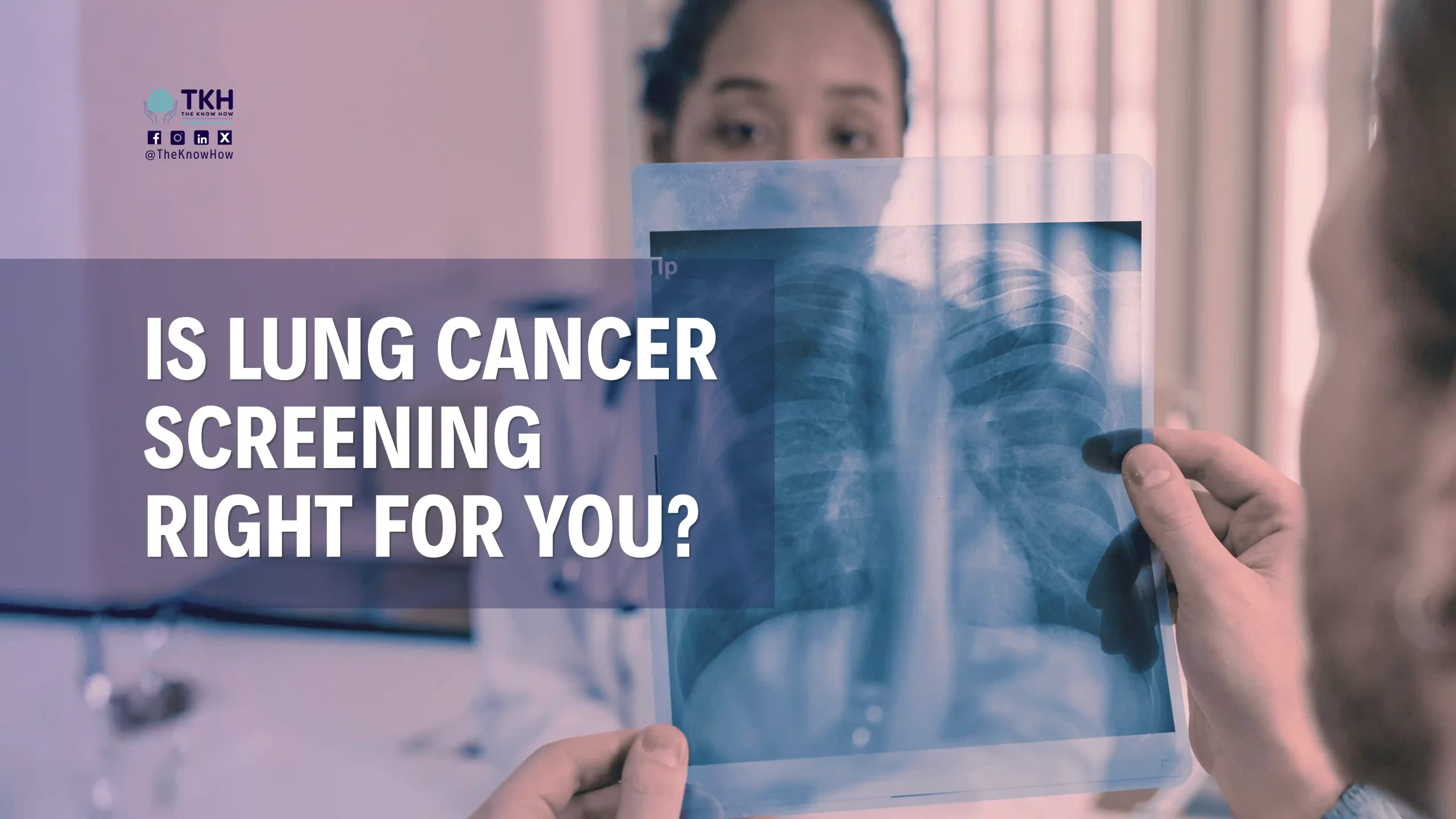
The recommended screening tool is a low-dose CT (LDCT) scan, which takes just minutes and uses a fraction of the radiation of a standard CT. In Abu Dhabi, it’s recommended annually for adults aged 55–75 who are current or former smokers (within the last 15 years) with a significant pack-year history, or a long history of shisha/medwakh use alongside another risk factor. For Thiqa cardholders, this screening is fully covered. It won’t diagnose cancer on its own, but it can catch suspicious changes early enough that treatment options remain wide open — which is exactly the window where outcomes improve most dramatically.
If you’re unsure whether you fall into a high-risk category, that’s a conversation worth having with your doctor rather than guessing.
When You’ve Already Been Diagnosed: Why a Second Opinion Matters
For patients who do receive a lung cancer diagnosis, the path forward is rarely simple. Treatment decisions depend on cancer type (small cell vs. non-small cell), stage, genetic mutations within the tumor, and overall health—and different specialists can reasonably weigh these factors differently. That’s not a flaw in the system; it’s the nature of a disease this complex.
This is where an independent second medical opinion earns its place—not to replace your treating doctor, but to add a layer of clarity before a major, often irreversible treatment decision. A second opinion can:
- Confirm that the diagnosis and staging are accurate
- Clarify whether genetic or biomarker testing could open up additional, more targeted treatment options
- Offer perspective on whether a clinical trial might be relevant
- Simply give patients and families confidence that they’ve explored every reasonable avenue
Lung cancer patients consistently report among the highest distress levels of any cancer group—a mix of prognosis, stigma, and self-blame tied to smoking history. None of that changes a patient’s right to thorough, unbiased care. A second opinion isn’t about doubting your doctor; it’s about making sure no stone is left unturned when the stakes are this high.
This World Lung Cancer Day
Whether you’re assessing your own risk, supporting a loved one through screening, or sitting with a diagnosis that raises more questions than answers, August 1st is a good prompt to act rather than wait. Ask about your screening eligibility. Ask what a comprehensive medical assessment could reveal before symptoms even start. And if you or someone you love is navigating a lung cancer diagnosis, know that an independent, unbiased second opinion is available — without needing to travel or start over with a new care team.
Your lungs. Your decisions. Your right to a second opinion.
For additional information yo can visit:
Our previous blog:
https://theknowhow.ae/category/oncology/lung-cancer/
Or the following website:
https://www.adphc.gov.ae/en/Public-Health-Programs/Cancers-Program/Lung-Cancer