World Spine Day, Let’s Take Care of Your Back!
Follow Sia, a 39-year-old marketing specialist, through a sudden episode of low back pain. Learn why low back pain is so common, how unspecific and specific back pain differ, which red flags need urgent care, and why movement, not rest, helps the spine recover.
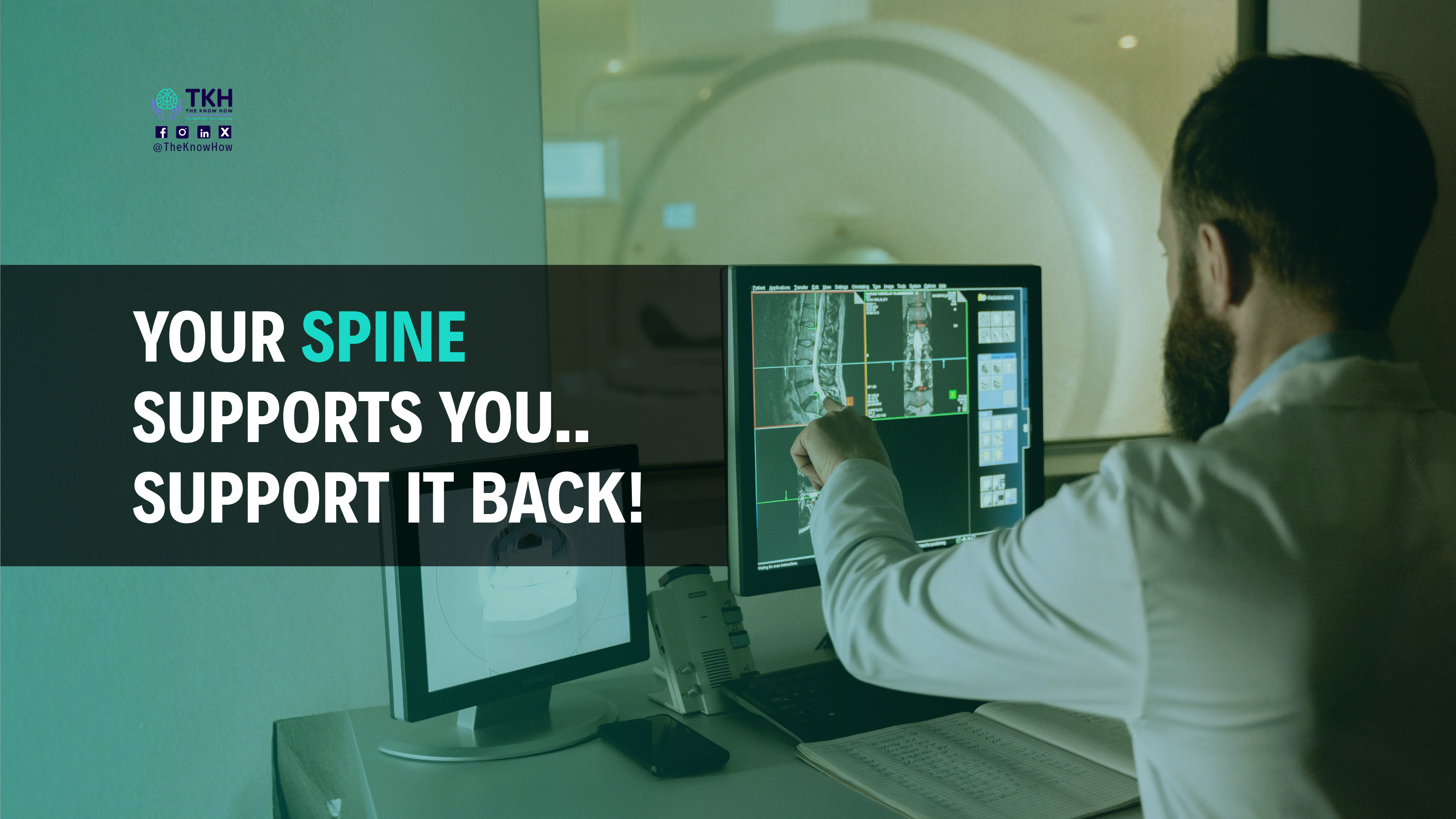
Meet Sia. Sia is a 39-year-old marketing specialist who spends most of her day sitting at a desk, typing away at her computer. She has always considered herself healthy, but lately, long hours and a looming project deadline have left her feeling completely exhausted.
One Tuesday morning, the air conditioner was extra chilly, Sia leaned over to pick up her coffee mug. As she straightened up, a sharp, sudden ache flared across her lower back. It felt like her muscles had instantly locked into a tight, agonizing knot. Panic set in immediately. Did I slip a disc? Am I going to need surgery? What about my work? Who will take the kids to school? What about the care of my sick mother?
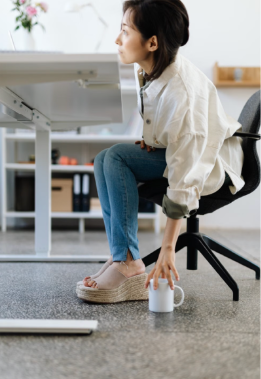
Fearful of making it worse, Sia spent the next two days resting rigidly on the couch, terrified to move. But instead of getting better, her back grew stiffer, her mood soured, and the throbbing ache only deepened. She felt isolated, stressed about missing work, and overwhelmed by the confusing medical information online.
Sia’s story is incredibly common. What she didn't realize is that her back wasn't permanently damaged, it was simply reacting to a combination of prolonged sitting, muscle fatigue, and high stress. Like millions of people around the world, she had fallen into the trap of thinking that total rest is the cure, when in reality, the spine thrives on movement.
By looking at the global reality of low back pain, understanding the difference between a simple muscle strain and a medical emergency, and learning how to safely keep moving, we can discover how Sia, and anyone else suffering from back pain, can successfully take control of their recovery.
The Burden of Low Back Pain
Low back pain is not just a brief physical ache. It is a massive public health crisis that disrupts everyday life, harms mental well-being, and drains billions of dollars from the economy due to medical bills and missed work.
Low Back Pain-The Leading Cause of Disability
According to the World Health Organization (WHO), low back pain is the leading cause of disability worldwide, affecting around 619 million people. When someone suffers from severe back pain, the consequences ripple outward. On a personal level, it strips away the joy of daily life, making simple tasks like picking up a child, driving, or sleeping comfortably difficult. Over time, this constant physical strain often leads to anxiety and depression.
Low Back Pain: An Economic Disaster
Economically, the burden is staggering. Back pain is one of the most common reasons people call in sick to work or retire early. Globally, medical systems spend astronomical amounts treating it, in the United States alone, the annual cost of spine care exceeds $134 billion, which is more than the money spent treating diabetes or heart disease.
A Google AI data-driven model based on the UAE's macro healthcare indicators and regional epidemiological data estimates the total socioeconomic burden of low back pain on the UAE economy between AED 8 billion and AED 11 billion annually, heavily driven by a young, desk-bound corporate workforce coping with high daily stress and sedentary routines.
Knowing the Difference: Unspecific vs. Specific Pain
Doctors generally divide low back pain into two major categories to figure out the right approach for treatment:
What is Unspecific Low Back Pain?
Unspecific low back pain accounts for 90% of all cases. "Unspecific" simply means the pain cannot be blamed on a single, clear structural injury, like a broken bone, a diseased joint, or a slipped lumbar disc. Instead, it is usually caused by a combination of everyday factors: tight muscles, poor posture, sitting still for too long, lack of exercise, or even high stress levels. Because nothing is permanently damaged, the spine is still structurally safe. And this means movement is the best medicine.
What is Specific Low Back Pain?
This situation makes up only about 10% of cases. In these situations, the pain has a direct, clear medical cause that a doctor can identify on a scan or through tests. Examples include spinal fractures from an accident, infections, tumors, or severe disc herniations that pinch a nerve tightly enough to cause sensory problems or weakness in the legs.
When to See a Doctor Immediately: The "Red Flags"
While the vast majority of back pain resolves on its own with time and gentle movement. There are rare occasions where back pain signals a medical emergency. However, you should know them.
You should seek immediate urgent medical care if you experience your back pain alongside any of these Red Flags:
- Sudden numbness in your groin, buttocks, or inner thighs (sometimes called "saddle anesthesia")
- A sudden loss of bowel or bladder control, or an inability to urinate
- Progressive weakness or numbness in one or both of your legs that makes it hard to walk
- Severe back pain that starts immediately after a major fall, car crash, or physical trauma
- Unexplained fever, chills, or sudden weight loss alongside the pain
- New, severe back pain if you have a known medical history of cancer
Practical Tips: Taking Control with Prevention and Self-Care
If your back pain does not involve any red flags, the most effective treatment is actually in your own hands. The outdated advice of staying in bed until you feel better has been proven wrong. Prolonged rest actually weakens muscles and prolongs the pain.
To heal and protect your spine, focus on keeping your body moving. Gentle physical activities like walking, swimming, or cycling keep the spine lubricated and encourage blood flow to healing tissues.
Exercises to Ease Unspecific Low Back Pain
Start with easy and gentle movements to ease your back pain. The Arthritis UK Digital Guide focuses on gentle mobility and foundational core holds. You can download the Versus Arthritis UK Back Pain Booklet here:
https://www.arthritis-uk.org/media/yteilwaa/a4-back-pain-leaflet_digital.pdf
Exercises to Prevent Unspecific Low Back Pain
You can also build long-term protection by incorporating simple exercises that strengthen your core and back muscles, which act as a natural brace for your spine.
For these exercises, you can download the OrthoInfo Spine Conditioning Leaflet created by the American Academy of Orthopaedic Surgeons (AAOS). This highly detailed guide features clear illustration diagrams, target repetition tracking, and form cues for side planks, bird-dogs, and abdominal bracing.
Daily Routines to Strengthen Your Spine
In your daily routine, try to break up long periods of sitting. Remember the golden rule of ergonomics: the best posture is your next posture. Switch positions frequently, stand up every hour, and adjust your workspace so you are not constantly slouching.
Finally, take care of your lifestyle and mental health. Managing everyday stress, getting enough sleep, and avoiding smoking all drastically improve how your body processes pain and speeds up recovery.
Sia’s Back Pain Recovery
Sia’s recovery began the moment she realized that movement, not rest, is the ultimate medicine for a resilient spine. After ruling out any dangerous red flags, she stopped hiding on the couch and committed to 10-minute daily walks alongside a gentle, core exercise routine.
She also broke up her long office hours by changing her posture every 45 minutes, like performing phone calls while standing, or just taking any other position and stretching.

Within a few weeks, her muscle stiffness subsided. Sia returned to her normal routine without pain. However, a little post-it on her laptop reminds her about the new daily health routines that keep her spine strong.
TheKnowHow Independent Second Opinion Service
Are you or a loved one suffering from low back pain? You have been offered a surgery? You are unsure about the planned treatment?
TheKnowHow Independent Second Opinion Service is not intended to take you away from your treating doctor but rather provide an extra level of competence.
Get an unbiased assessment from an international expert without having to travel or schedule appointments. Our impartial specialists conduct a record-based assessment of your current health state and all available treatment options, including their advantages and potential hazards.
Read more on https://theknowhow.ae/second-medical-opinion-uae/.
Your Spine Health Matters!
Find more information at
https://www.who.int/news-room/fact-sheets/detail/low-back-pain
Read our other blogs on Lower Back Pain and the importance of choosing the right therapy:
https://theknowhow.ae/back-pain-treatment-surgery-physiotherapy/
https://theknowhow.ae/second-opinions-for-spinal-surgery/
DISCLAIMER: This information is for general knowledge, should not be taken as medical advice, and you should consult with a healthcare provider if you have health issues.
This article is for general health information and does not replace advice from your treating physician.