Building Strong Bones for Life: World Osteoporosis Day 2026
World Osteoporosis Day 2026 focuses on a simple truth: the foundation for lifelong bone health is built during childhood. Learn the warning signs, who may need vitamin D or a bone density scan, and how osteoporosis is treated.
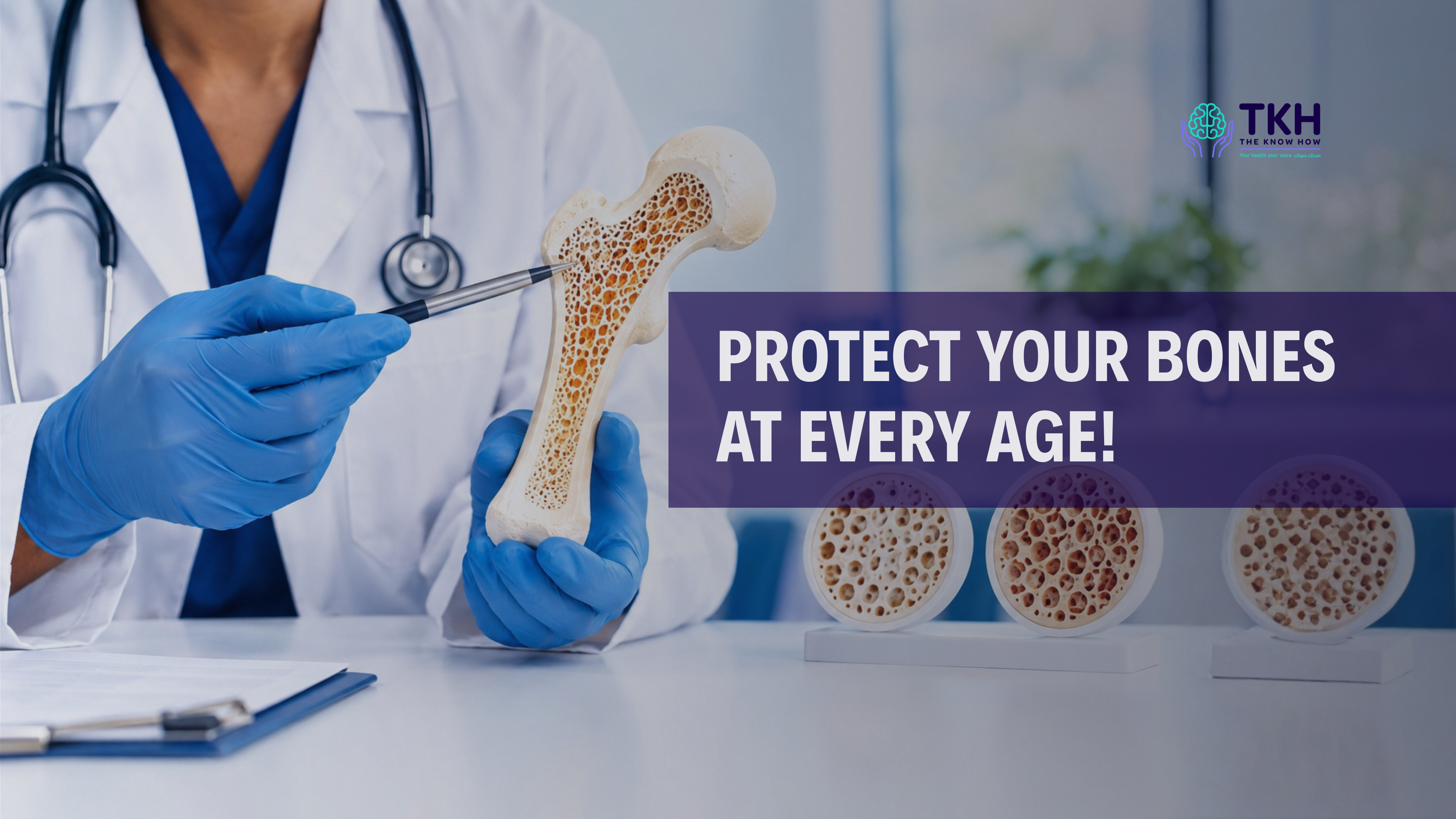
Building Strong Bones for Life: World Osteoporosis Day 2026
World Osteoporosis Day 2026 arrives at a critical moment for public health. In the GCC region, especially the UAE, modern lifestyles have transformed how we live, work, and play. High-tech cities and climate-controlled environments offer great comfort, but they have also fueled a sedentary lifestyle.
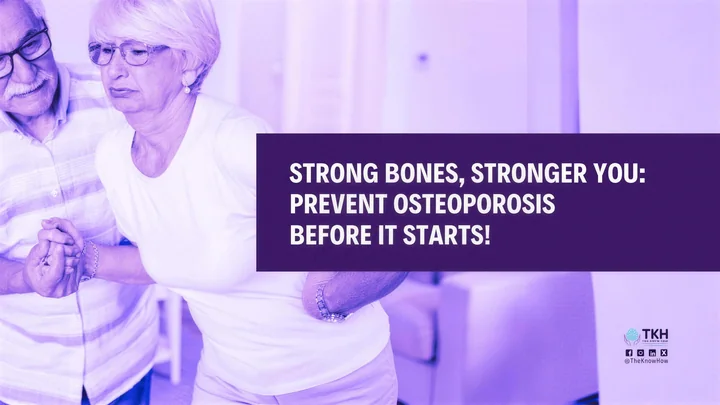
While osteoporosis mainly gets symptomatic in the elderly, it is a pressing issue for every generation. This year's global campaign focuses on a powerful truth: The foundation for lifelong bone health is built during childhood.
The choices children make today regarding physical activity and lifestyle will directly dictate their mobility, independence, and skeletal strength decades down the road.
What is Osteoporosis?
Osteoporosis is a systemic skeletal disorder characterized by low bone mass and the micro-architectural deterioration of bone tissue. Essentially, it causes bones to become porous, brittle, and highly susceptible to fractures.
In a healthy body, our bones are living tissues that constantly reshape themselves based on daily physical demand. Think of your skeleton as a continuous renovation project. When you exercise, your bone cells feel the pressure. They immediately order extra reinforcement for that specific area. Special building cells (‘osteoblasts’) rush in to add dense minerals (calcium). This makes the bone stronger along lines of stress.
Conversely, if you stop moving, things change quickly. Your body realizes some bone tissue is not needed. Cleanup cells (‘osteoclasts’) then break down the unused bone material. This saves precious energy and resources for your body. Ultimately, this process keeps your skeleton light yet strong.
With osteoporosis, the creation of new bone cannot keep up with the loss of old bone. In addition, mineralization is poor. Often referred to as a "silent disease," osteoporosis typically progresses over years without any pain or symptoms until a sudden fracture occurs. These fractures most commonly happen in the hip, spine, and wrist, often resulting from minor bumps, strains, or low-impact falls that would not normally cause injury.
Why Osteoporosis Prevention Starts in Childhood
There is a common misconception that osteoporosis prevention begins in midlife. In reality, osteoporosis can be viewed as a pediatric disease with geriatric consequences.
During childhood and adolescence, the skeleton grows rapidly. Around 90% of peak bone mass is acquired while children are growing, by age 18 in girls and age 20 in boys. Think of this period as a ‘bone bank.’ Throughout youth, you deposit calcium and density into the bank. Up until about age 30, the body builds more bone than it loses.
After age 30, the ‘bone bank account’ closes for deposits. The body can only maintain or withdraw bone. If children do not maximize their peak bone mass during their formative years, they start adulthood with a lower baseline, severely increasing their risk of developing osteoporosis later in life.
Osteoporosis & The Generational Shift: Jumping Games vs. Screen Time
The way children play has radically shifted over the last few decades, and our children's ‘bone bank accounts’ are paying the price.
Bone responds to stress by becoming stronger and denser. Impact-bearing exercise, specifically activities that involve jumping, running, and rapid changes of direction, is the ultimate stimulus for bone modeling.
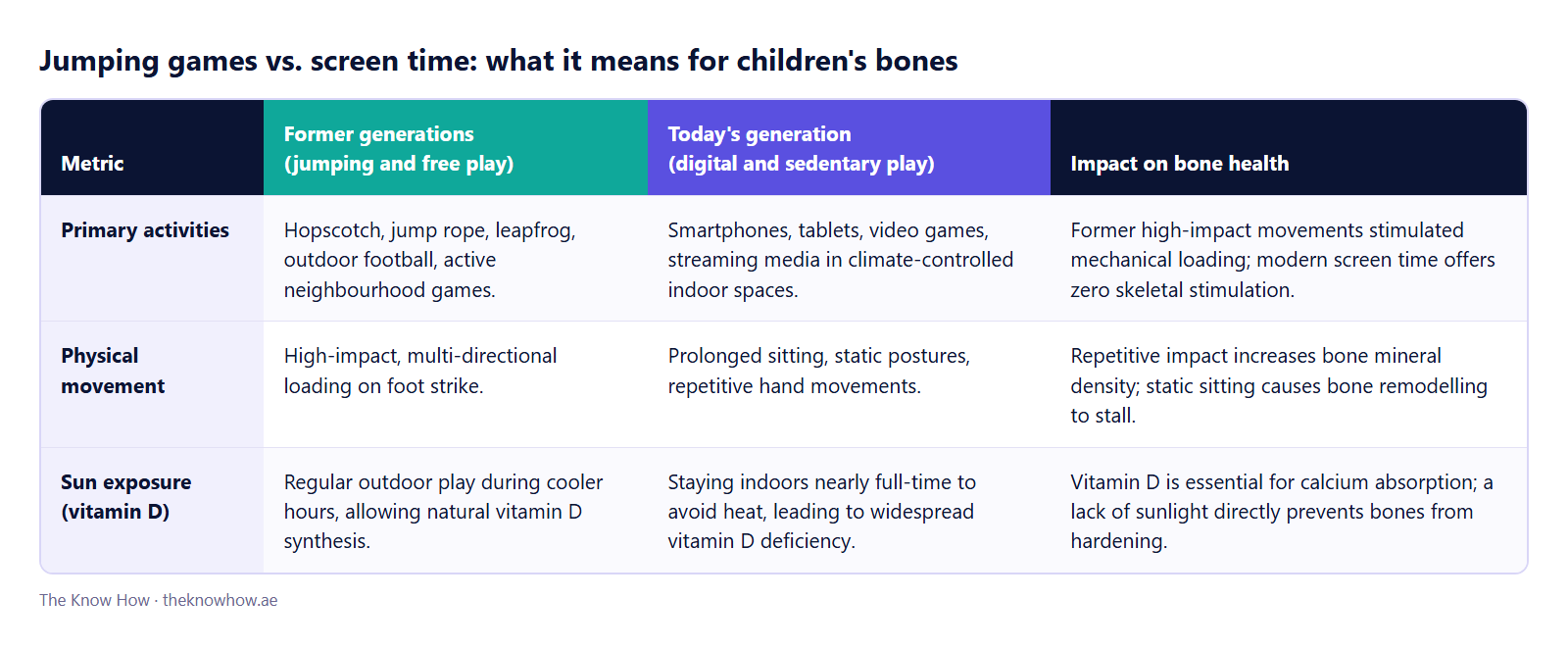
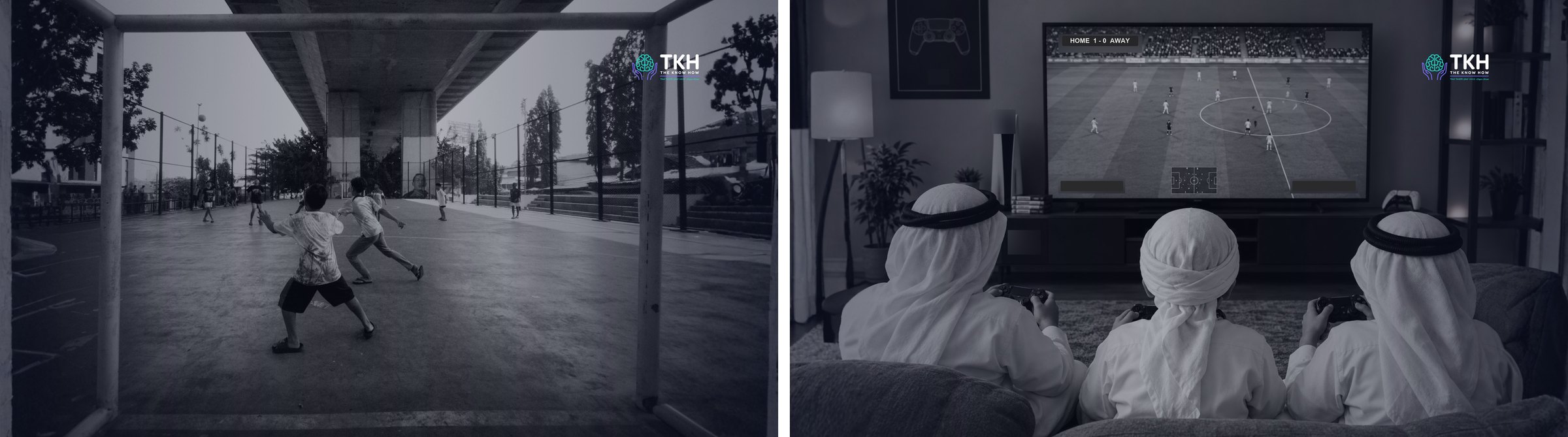
The steep decline in daily physical activity paired with increasing screen time means that modern children are missing out on the vital mechanical loading and natural sunlight required to build resilient skeletons.
Do I Have Osteoporosis? When to Seek Professional Help
Because osteoporosis develops quietly, it is vital to recognize the structural changes that indicate compromised bone density or spinal strength. You should consult a healthcare provider promptly if you notice any of these warning signs:
- Loss of Height: A measurable loss of one inch (2.5 cm) or more over time.
- Changes in Posture: A noticeably stooped, hunched forward, or curved upper spine (dowager's hump).
- Sudden Back Pain: Unexplained, sharp back pain, which can indicate an undiagnosed spinal compression fracture.
- Fractures from Minor Impact: Breaking a bone from a simple trip, minor fall, or everyday movement like bending over or coughing.
Osteoporosis Prevention: Do I Need Vitamin D?
Vitamin D deficiency is exceptionally common in the UAE, primarily due to regional lifestyle factors such as excessive heat, cultural habits, specific diets, and minimal sun exposure. The population potentially at risk is broad and includes, among others, office workers with underground commutes, shift workers, screen-reliant teenagers, older adults, pregnant or breastfeeding individuals, breastfed infants, or people experiencing obesity or a history of bariatric surgery, among others.
However, unlike water-soluble vitamins like Vitamin C, which excess amounts are processed through the kidneys, Vitamin D is fat-soluble (liposoluble) and accumulates in fat tissue and the liver. Consequently, unmonitored intake of vitamin D can lead to hypervitaminosis or potentially toxic effects.
Osteoporosis Detection: Do I Need a Bone Density (DEXA) Scan?
Osteoporosis risk is elevated for individuals with
- a family history of osteoporosis or fragility fractures,
- early menopause or low testosterone in men,
- low body mass index (BMI <20)
- gastrointestinal disorders such as celiac disease or inflammatory bowel disease
- long-term medication use such as corticosteroids (for example, for rheumatoid arthritis) or anti-hormone therapeutics
Clinical guidelines aim to address these widespread concerns.
If you are worried you or a loved one might be at risk for osteoporosis, consult a physician to safely evaluate your specific health profile or eligibility for a bone density scan (DEXA scan). Please note that clinical necessity, diagnostic screening protocols, and health insurance coverage for preventive testing, scans, or specialized consultations vary based on your individual medical status and specific policy terms.
How to Treat Osteoporosis: Modern Treatment Options
If osteoporosis is diagnosed, a comprehensive, multi-faceted treatment plan can effectively slow bone loss, rebuild density, and drastically reduce fracture risks. Modern medicine manages the condition through several pathways:
Pharmaceutical Osteoporosis Therapies
Medications are often the cornerstone of treatment. Bisphosphonates are widely prescribed to slow down the rate at which bone is broken down. Alternatively, anabolic agents (bone-building medications) may be used for high-risk patients to actively stimulate new bone formation.
Hormone-Related Osteoporosis Therapy
For postmenopausal individuals, estrogen therapy or selective estrogen receptor modulators (SERMs) can help maintain bone density.
Nutritional Optimization of Osteoporosis Therapy
Eating a calcium-rich diet helps strengthen the bones by providing the essential building blocks for bone mineralization. Calcium-rich foods include milk and dairy products, green vegetables, and nuts or sesame.
Targeted Physical Therapy of Osteoporosis
Structured exercise programs focusing on weight-bearing physical activity and resistance training to strengthen the muscles supporting the skeleton.
Fall Prevention Protocols for Osteoporosis
Balance, agility, and core training alongside home safety modifications to minimize the risk of falls for seniors, for those suffering from osteoporosis but also for healthy individuals to preserve their mobility and well-being.
For more details on osteoporosis therapy, also visit our blog World Osteoporosis Day.
TheKnowHow Independent Second Opinion Service
Are you or a loved one suffering from osteoporosis? You are unsure about the planned treatment, or does treatment not work to your satisfaction?
TheKnowHow Independent Second Opinion Service is not intended to take you away from your treating doctor but rather provide an extra level of competence.
Get an unbiased assessment from an international expert without having to travel or schedule appointments. Our impartial specialists conduct a record-based assessment of your current health state and all available treatment options, including their advantages and potential hazards.
Read more on our second medical opinion page.
Your Health Matters!
Find more information about bone fragility fractures and prevention at https://www.who.int/news-room/fact-sheets/detail/fragility-fractures
DISCLAIMER: This information is for general knowledge, should not be taken as medical advice, and you should consult with a healthcare provider if you have health issues.
This article is for general health information and does not replace advice from your treating physician.