World Sleep Day
Sleep Well, Live Better
Modern life moves so quickly that slowing down, switching off, and getting a truly restful night’s sleep can feel impossible. Factors like night shifts, irregular schedules, high-stress periods (long workdays, tough projects, or personal worries), and even crises—whether personal or global conflicts—can keep you restless and disrupt your sleep patterns.
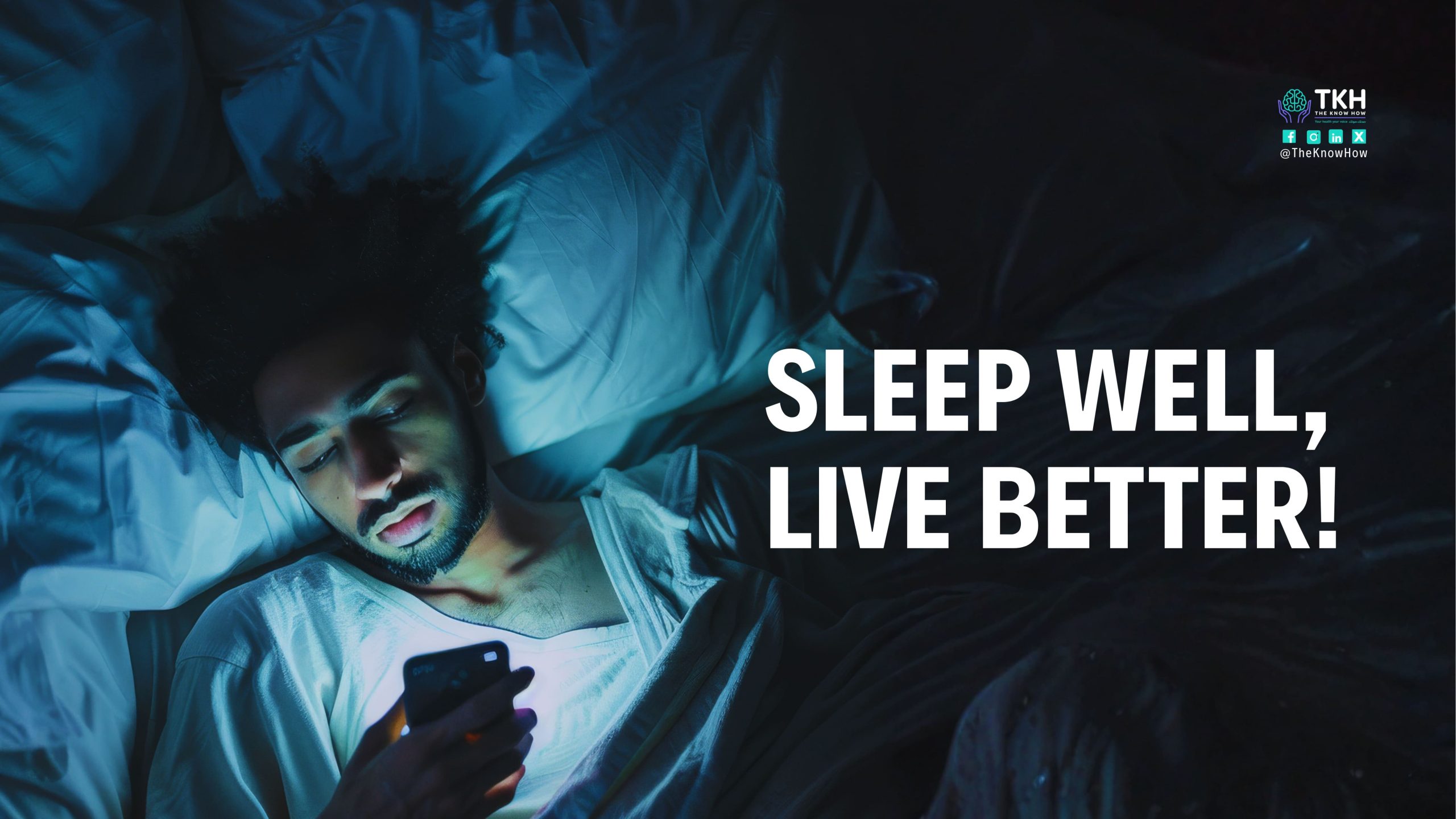
On top of that, everyday habits often make winding down harder: late-night emails, laptop tasks, or social media scrolling are stimulating, emotionally draining, and expose you to blue light that blocks melatonin—the hormone that helps you sleep.
Yet sleep is just as vital for your health as diet and exercise. Good sleep boosts mood, physical health, and mental sharpness, while chronic lack of it raises risks for dementia, obesity, heart disease, and stroke.
Why Do We Need to Sleep?
Quality sleep goes beyond hours in bed. It hinges on three things: enough total sleep, deep and uninterrupted rest, and a consistent sleep-wake rhythm.
People often think that sleep is just “down time,” when a tired brain gets to rest. However, while you sleep, your brain as well as your body is working a lot. A whole series of complex processes take place – contrary to what our appearance might suggest.
Your body is repaired and strengthened during your sleeping hours – if you don’t get enough good quality sleep, those processes are going to be disturbed.
What Sleep Phases Are There?
Based on measurements of brain activity, eye movements, and muscle tension, sleep researchers have identified four sleep phases that everyone cycles through in a specific, repeating sequence:
1. Falling asleep: The first phase marks the shift from wakefulness to sleep—a light dozing state that’s still superficial.
2. Light sleep: The second phase is stable light sleep. The first two phases together form light sleep overall, where it’s easy to wake up.
3. Deep sleep: In the third phase, we reach deep sleep. Muscles relax fully, and heart rate slows.
4. REM sleep (dream sleep): The fourth phase features rapid eye movements (REM)—hence the name. It’s marked by vivid dreams (though they can happen earlier too).
This sequence of four phases forms one full sleep cycle.
In adults, the first REM phase starts 60–90 minutes after falling asleep. As the night goes on, REM phases get longer, while deep sleep phases shorten.
Healthy adults complete four to seven cycles per night, each lasting about 90–110 minutes. Even in healthy people, brief wakeups interrupt sleep, but we usually don’t notice them.
How Good Sleep is Protecting Our Health
Researchers have extensively studied how sleep supports body and mind, and the risks of skimping on it. Here are the top 10 reasons to prioritize enough sleep:
1. Sleep strengthens the heart.
Chronic sleep loss triggers inflammatory processes in the body. This favors calcification of the blood vessels (arteriosclerosis), which is considered the main cause of cardiovascular diseases such as heart attacks and strokes.
Good sleep, though, stabilizes blood pressure to protect vessels and the heart.
2. Sleep keeps immunity strong.
Chronic sleep loss triggers inflammatory processes in the body. This favors calcification of the blood vessels (arteriosclerosis), which is considered the main cause of cardiovascular diseases such as heart attacks and strokes.
Good sleep, though, stabilizes blood pressure to protect vessels and the heart.
3. Sleep aids muscle growth.
Sleep plays an important role in maintaining or building our muscles. Studies suggest that muscle mass decreases more in people who sleep a maximum of five and a half hours per night than in those who get more than eight hours of sleep. Researchers suspect that sufficient sleep releases growth hormones and influences the production of proteins that are important for building muscle.
4. Sleep boosts performance.
Poor sleep impairs focus and memory consolidation. Your sleeping brain “sorts” key info while discarding junk.
5. Sleep cuts accident risk.
In some cases, neglecting sleep can be life-threatening – especially in road traffic. Driving drowsily causes microsleeps. Shift workers are particularly at risk: Heading home face up to 8x higher crash odds.
6. Sufficient sleep fights obesity.
A study from the UK suggests that adults who sleep less have a higher risk of obesity. Conversely, people who sleep more tend to have a lower body mass index (BMI). This relationship between sleep duration and BMI can be attributed to various pathophysiological causes. People who sleep little tend to have higher concentrations of ghrelin, a hormone that regulates the feeling of hunger and satiety.
7. Sleep lowers diabetes risk.
Sleep plays an important role in many metabolic processes in the body – including sugar metabolism. People who sleep less than four and a half hours without interruption have a higher risk of diabetes. Their body cells resist insulin, spiking blood sugar. Therefore, aim for quality, unbroken rest.
8. Sleep supports mental health.
Poor sleep rises the risk of developing mental disorders or exacerbating existing ones. Frequent interruptions to sleep, such as those that occur in sleep apnea syndrome, lead to a lack of concentration and drive as well as changes in mood comparable to those of depression. Mental well-being therefore needs sleep just as much as the body.
9. Sleep processes emotions.
We dream ~20% of the night (mostly REM). Researchers assume that dreams help the brain to process emotions, especially those from daily emotional “residues.” A good reason to go to bed early more often.
10. Sleep may ease headaches.
There is a connection between sleep and headaches. 75% of headache sufferers have sleep issues. Poor rest triggers them, while good sleep prevents.
How to Sleep Better
If you’re having trouble sleeping, hearing how important it is may be frustrating. But simple things can improve your odds of a good night’s sleep.
- Stick to a sleep schedule. Go to bed and wake up at the same time every day, even on the weekends.
- Get some exercise every day. But not close to bedtime.
- Go outside. Try to get natural sunlight for at least 30 minutes every day.
- Avoid nicotine and caffeine. Both are stimulants that keep you awake. Caffeine can take 6-8 hours to wear off completely.
- Don’t take naps after mid-afternoon. And keep earlier powernaps naps short.
- Avoid alcohol and large meals before bedtime. Both can prevent deep, restorative sleep.
- Limit electronics before bed. Try reading a book, listening to soothing music, or another relaxing activity instead.
- Create a good sleeping environment. Keep the temperature cool if possible. Get rid of sound and light distractions. Silence your cell phone!
- Don’t lie in bed awake. If you can’t fall asleep after 20 minutes, get up and do a relaxing activity until you feel sleepy again.
- See your health care provider if nothing you try helps. They can determine if you need further testing. They can also help you learn new ways to manage stress.
“Even a soul submerged in sleep is hard at work and helps make something of the world.”
Heraclitus