What Is Tuberculosis: Symptoms, Causes and Treatment
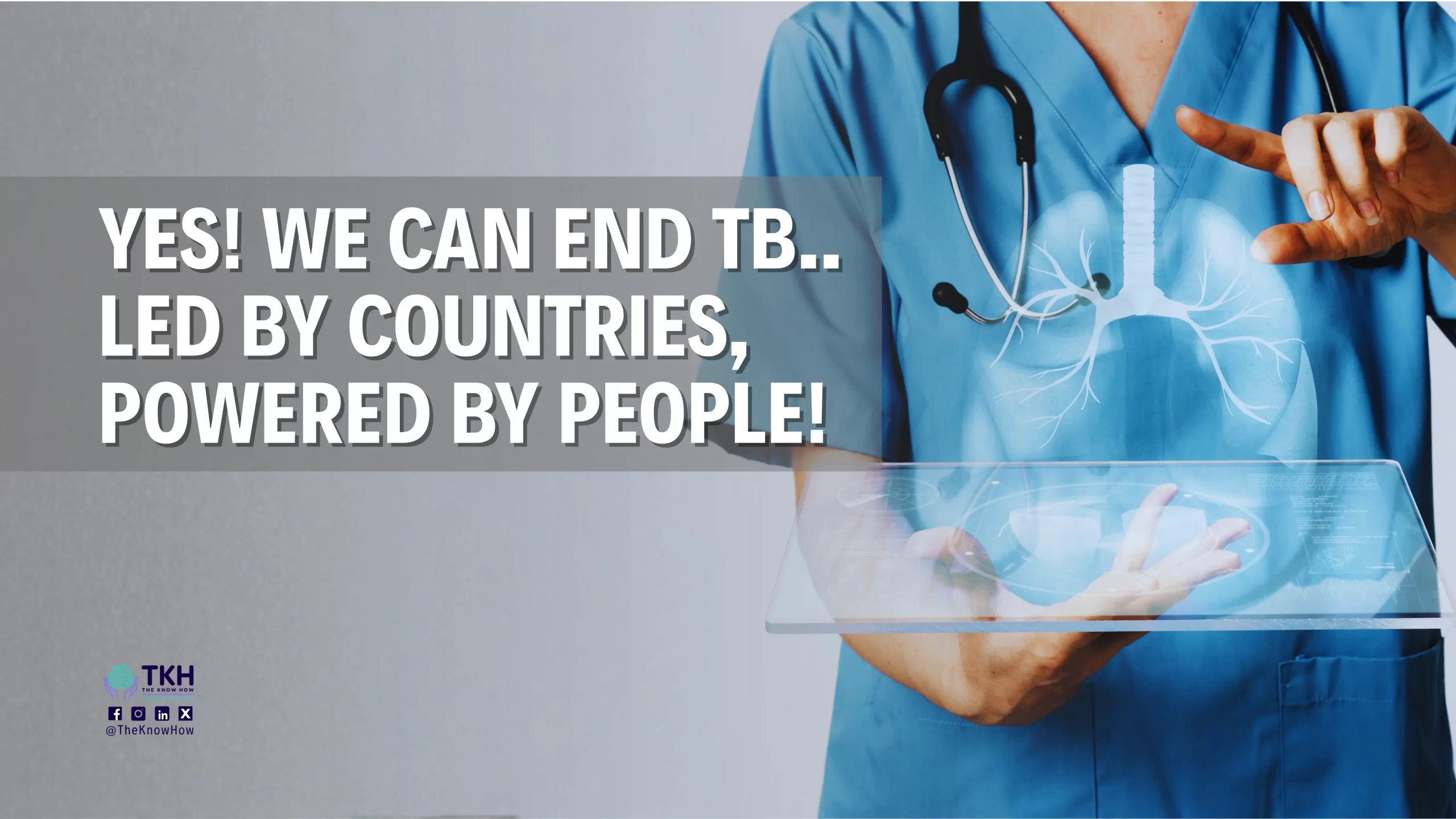
Yes! We can End TB!
Each year, World Tuberculosis Day is commemorated to raise public awareness of the devastating health, social, and economic consequences of tuberculosis (TB) and to intensify efforts to end the global TB epidemic. The date marks the day in 1882 when Dr Robert Koch announced his discovery of the bacterium that causes TB, opening the way to diagnosing and curing the disease.
World Tuberculosis Day 2026 is a reminder that ‘Yes! We can end TB’ if countries, communities, and individuals work together, invest in strong health systems, and ensure that everyone at risk can access timely diagnosis and people‑centred care.
What is Tuberculosis?
TB is an infectious disease caused by the bacterium Mycobacterium tuberculosis, which most often affects the lungs but can involve almost any organ. It spreads through the air when a person with active TB of the lungs coughs, speaks, or sneezes, and nearby people inhale the bacteria.
Not everyone infected becomes sick right away. Some people develop “latent TB infection,” where the bacteria are dormant, while others develop active TB disease with symptoms such as a cough lasting more than two weeks, fever, night sweats, weight loss, and fatigue.
Early recognition of these symptoms and prompt medical assessment are essential to stop transmission and prevent severe illness.
The Global and Regional Burden
Despite decades of progress, TB still causes enormous harm worldwide. In 2021, an estimated 10.6 million people fell ill with TB and 1.6 million people died from the disease—roughly 4,000 deaths and 30,000 new infections every day. The World Health Organization (WHO) stresses that TB continues to hit hardest among people who are poor, marginalised, or living with conditions such as HIV, which weaken the immune system.
Tuberculosis in a World of Travel and Migration
In today’s interconnected world, no country is isolated from TB. Large flows of travellers, tourists, and foreign workers mean that people regularly move between countries with different TB burdens.
WHO notes that TB thrives where there are social and economic vulnerabilities, crowded living conditions, and unequal access to healthcare. Countries that host many migrant workers or receive large numbers of visitors need to remain alert, ensuring that anyone at risk—whether citizen, expatriate, or tourist—can quickly access testing, treatment, and prevention services without stigma or financial barriers.
For societies with many foreign workers, crowded worker housing, limited awareness of TB symptoms, and fear of job loss can delay care seeking, allowing TB to spread silently. Visitors and residents who travel frequently between high‑ and lower‑incidence countries may also import or export infections. This makes robust public health systems, clear information in multiple languages, and fair, confidential screening policies crucial for protecting both long‑term residents and newcomers.
How The UAE is Responding
The UAE marks World TB Day each year to raise awareness about TB’s impact and to reinforce national efforts to end the disease in line with WHO guidance. MOHAP emphasizes several priorities: encouraging political commitment and investment in TB services, applying updated WHO recommendations, reducing gaps between health systems, and educating the public about how TB spreads and how easily it can be prevented and cured with proper treatment.
Public campaigns aim to inform people that a persistent cough, fever, night sweats, or weight loss should prompt medical evaluation, and that completing the full course of TB treatment is essential to cure the disease and prevent drug resistance.
Tuberculosis Screening and Visa Requirements in The UAE
Because the UAE hosts a large expatriate workforce and many visitors, medical fitness screening for communicable diseases is built into the residence visa process.
According to the official UAE government portal (https://u.ae/en/information-and-services/health-and-fitness/health-conditions-for-uae-residence-visa), foreign nationals applying for a work or residence permit must be free from certain communicable diseases, including TB. Medical fitness tests typically include blood screening for infections such as HIV, hepatitis B and C, and syphilis, and in many cases a chest X‑ray to look for signs of pulmonary TB.
The emirate of Abu Dhabi, for example, screens foreign nationals for active pulmonary TB with a chest X‑ray as part of its visa medical fitness programme, following detailed Department of Health standards designed to maximise TB detection and minimise infection risk during testing.
A federal Cabinet Resolution introduced in 2016 requires all expatriate residents renewing their residence visa to undergo TB screening; those found to have active TB, drug‑resistant TB, or certain TB‑related lung scars may receive a conditional one‑year residence visa while they complete treatment under UAE health authorities’ supervision. These measures both protect public health and ensure that people diagnosed with TB receive appropriate care within the country.
Prevention, Diagnosis, and Treatment of Tuberculosis
Preventing TB starts with breaking the chain of transmission. Early detection through symptom awareness and rapid diagnostic tests is crucial, and WHO now recommends near‑point‑of‑care molecular tests that can quickly confirm TB and detect resistance to key medicines. For people with latent TB infection who are at high risk of progressing to disease—such as close contacts of an infectious case or people living with HIV—preventive treatment and regular follow‑up can substantially cut their chances of developing active TB.
Treatment of drug‑susceptible TB usually involves a combination of antibiotics taken for at least six months, while drug‑resistant TB requires longer, more complex regimens.
WHO and MOHAP both stress that newer, shorter, all‑oral regimens for drug‑resistant TB should be rolled out rapidly so that patients can avoid painful injectable medicines and complete therapy more successfully. During treatment, support from healthcare workers, families, and employers is vital so that patients can adhere to medication schedules, manage side‑effects, and maintain their livelihoods without fear or stigma.
Why Stigma and Complacency are Dangerous
Although TB is curable, stigma, misinformation, and complacency continue to cost lives.
WHO highlights that TB disproportionately affects the poorest and most vulnerable, and that discrimination or fear of job loss often keeps people from seeking timely care. In settings with many expatriate workers, people may worry that a TB diagnosis will automatically lead to deportation or loss of income, even though early treatment is in everyone’s interest and many programmes are designed to support patients while protecting public health.
At the same time, residents of wealthier or lower‑incidence countries may wrongly assume that TB is “a disease of the past” or only a problem elsewhere. The continued high global burden—and the ease of international travel—shows that TB anywhere is a threat to health everywhere. Staying alert, getting tested when symptoms appear, and supporting inclusive health policies help protect entire communities.
What You Can Do on World Tuberculosis Day 2026
World TB Day 2026 is an opportunity for everyone—not just health professionals or policymakers—to take action.
Individuals can learn the signs and symptoms of TB, seek care early if they or their family members develop a persistent cough or unexplained weight loss, and encourage others to complete treatment if diagnosed. Communities and employers, especially in countries with many foreign workers, can promote non‑discriminatory workplace policies, offer information in relevant languages, and support access to health services for all staff.
Governments and partners are called on by WHO and MOHAP to invest in TB programmes, expand access to rapid diagnostics and shorter treatment regimens, and ensure that TB services are integrated into primary health care.
By combining strong national leadership with the power of people—TB survivors, health workers, community organisations, and informed citizens—ending TB can move from aspiration to reality.