Polio-A Deadly Virus to be Eliminated
For World Polio Day, a look at how the polio virus damages the nervous system, the history of polio epidemics and the iron lung, how polio vaccines changed global health, and why the last steps toward eradication matter most.
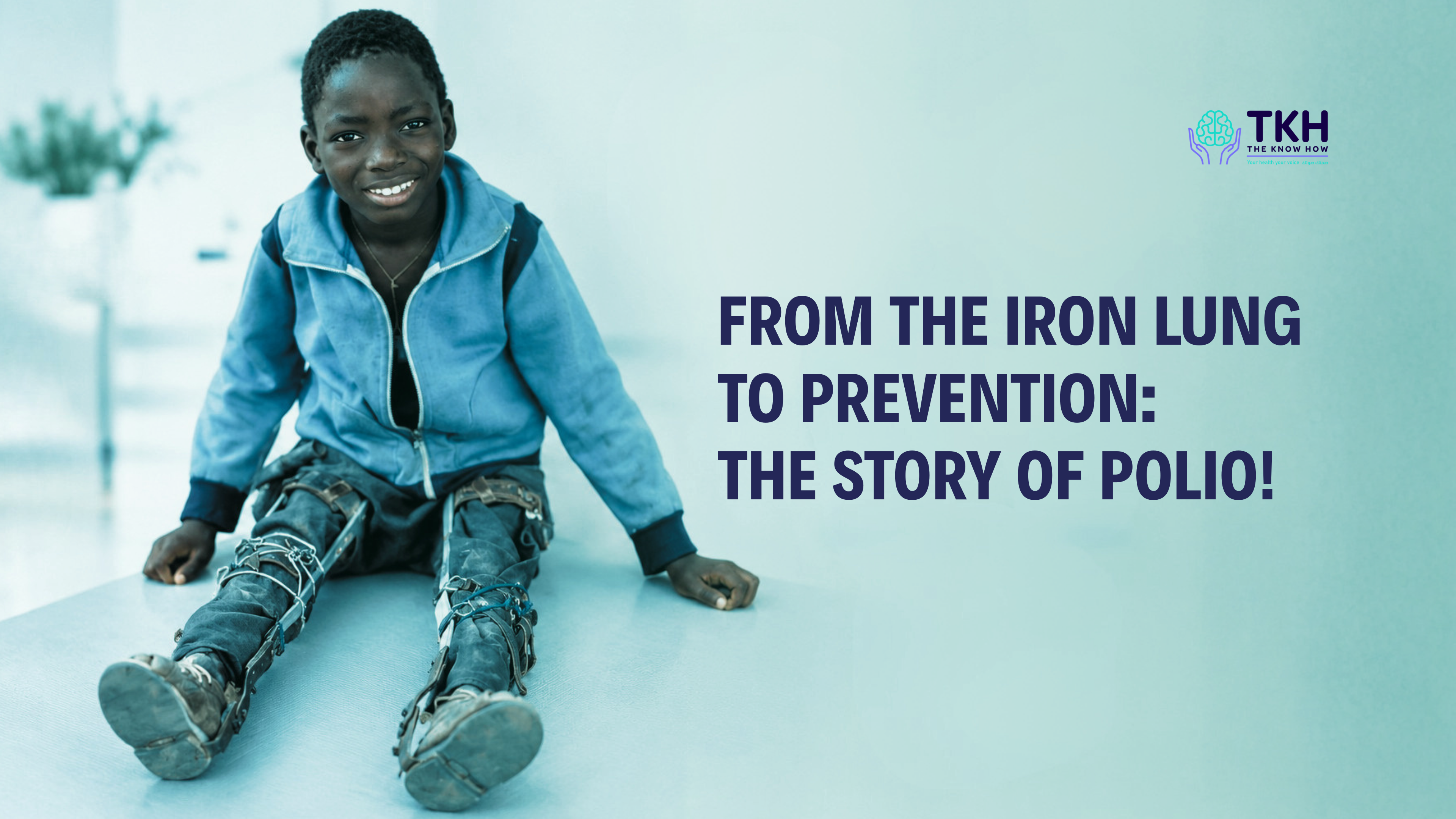
Polio (poliomyelitis) is a highly contagious disease caused by a virus. It attacks the body's central nervous system and can cause permanent paralysis (the inability to move parts of the body) in just a few hours. For decades, it was one of the most feared diseases in the world, leaving a lasting impact on medical history.
How Polio Virus Damages the Nervous System
Polio Virus Entry and Spread
The polio virus enters the body through the mouth, usually from contaminated food or water. It multiplies inside the throat and intestines, eventually entering the bloodstream. Once in the blood, the virus travels to the central nervous system (the brain and spinal cord). It does this either directly through the blood or by traveling up the nerve fibers that connect muscles to the spinal cord.
Polio Virus Attacking Nerve Cells
The virus specifically targets and infects motor neurons. These are the special nerve cells responsible for sending movement signals from your brain to your muscles. The virus attaches to the surface of these cells, forces its way inside, and uses the cell's own machinery to rapidly copy itself. This intense virus production severely damages the nerve cell, causing it to burst and die.
Polio-Derived Muscle Weakness and Paralysis
When these motor neurons die, the communication line between the brain and the muscles is broken. Because the brain can no longer send signals to the affected muscles, it causes sudden muscle weakness or total paralysis. Over time, because these muscles are no longer receiving signals to move, they eventually weaken and shrink.
The History of Polio
The Rise of Polio Epidemics
While polio has existed since ancient times, it suddenly exploded into terrifying, large-scale epidemics during the late 1800s and early 1900s. The crisis hit its absolute peak during the 1940s and 1950s. During this devastating period, according to the World Health Organization (WHO), poliovirus killed or paralyzed over 500,000 people across the globe every single year.
Who It Affected and the Lifelong Impact
The virus primarily targeted young children under the age of five, and out of everyone infected, about 1 in 200 people suffered from permanent paralysis. Many patients who survived the initial illness faced lifelong consequences. Due to deformed limbs, survivors often needed leg braces, crutches, or wheelchairs to move around. Some patients even lost the ability to breathe on their own and had to rely on devices like the iron lung, which was an early type of artificial breathing machine invented specifically to keep polio patients alive.
Polio: The Fight to Breathe
When the polio virus attacked the nerve cells that control the diaphragm, the large muscle between the lungs and the belly, patients lost the ability to breathe on their own. Without help, they faced certain suffocation.
To save these lives, Philip Drinker and Louis Shaw invented the iron lung in 1928. This machine was a large, airtight metal cylinder designed to act as an artificial breathing helper. It worked by using a special negative pressure system that mechanically changed the air pressure inside the tank. A pump-like device called a bellows sucked air out of the cylinder, creating a vacuum. This vacuum pulled on the patient's chest, forcing their lungs to expand and draw in air. When the air was let back into the cylinder, the pressure shifted, and the lungs naturally deflated to let the air out.
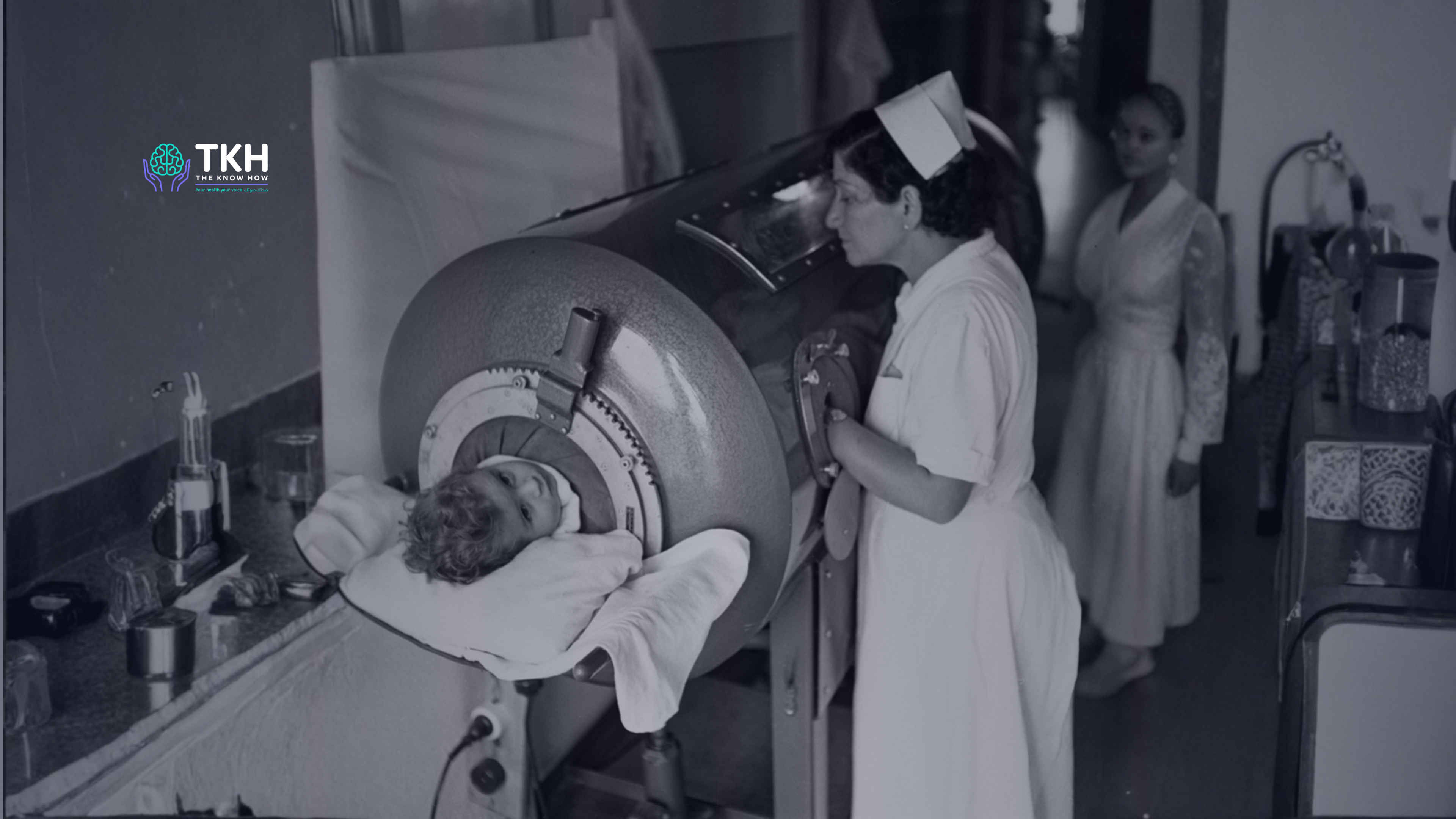
Before the very first polio vaccine was introduced in 1955, many children affected by the virus depended entirely on the iron lung just to survive.
The Last Patient Stories
The final chapter of the iron lung era concluded recently with the passing of the world's last remaining daily users, who defied all medical odds to live long, vibrant lives into their late 70s.
Paul Alexander, infected in 1952, got paralyzed from the neck down at age six and spent nearly 72 years in an iron lung. He taught himself "frog breathing" (swallowing air) to leave the machine for a few hours at a time. He went to college, graduated from law school, practiced as a courtroom attorney for 30 years, and wrote his memoir using a plastic stick in his mouth to type. He died in March 2024 after contracting COVID-19. Watch about Paul Alexander’s life in an iron lung on YouTube.
Martha Ann Lillard contracted polio in 1943 at age five. She spent over 70 years relying on her machine, referring to it as the mechanical lifesaver that allowed her to "breathe the next day." She was recognized as the last known person in the United States relying on an iron lung. She survived decades of technological changes, parts shortages, and severe power outages before passing away in mid-2026.
Their extraordinary lives marked the definitive end of an era, serving as a powerful monument to human resilience and a stark reminder of the vital impact of global vaccination initiatives.
Polio Vaccine: A Breakthrough in Global Health
Polio vaccines completely changed the world by successfully wiping out a paralyzing virus from almost every country. Over the decades, these medical tools improved dramatically. They started as simple formulas and grew into highly advanced, genetically engineered shields against the disease.
The First Vaccines
In the middle of the 1900s, scientists created two different types of polio vaccines. The first was introduced in 1955 by Dr. Jonas Salk, who developed the inactivated polio vaccine (IPV). This version used a completely dead virus and was given as an injection.
A few years later, in 1961, Dr. Albert Sabin introduced the oral polio vaccine (OPV). Instead of a needle, this version used a live but heavily weakened form of the virus given as simple drops on sugar or directly in the mouth.

Albert Bruce Sabin (1906 to 1993).
While both options worked very differently inside the body, they together saved millions of lives.
Why Health Organizations Used Live Vaccines
The live oral vaccine became the primary weapon for global eradication campaigns because of its unique advantages.
- It builds strong immunity directly inside the intestines, which is the exact area where the wild virus multiplies and spreads.
- Furthermore, oral drops are very easy to administer. They do not require medical needles or trained healthcare workers, making mass vaccination drives fast and affordable.
- Finally, the weakened virus briefly passes out of vaccinated children, naturally spreading immunity to unvaccinated people living in the same community.
The Problem with Vaccine-Induced Polio
Despite its success, the live vaccine carries a major long-term challenge.
If a population is adequately immunized, it will be protected against both wild and vaccine-derived polioviruses. However, when the weakened vaccine virus spreads through communities with very low vaccination rates, it circulates for many months. Over time, the virus naturally mutates to survive and can cause vaccine-derived polio (watch WHO on vaccine-derived Polio).
In rare instances, it changes so much that it regains the ability to paralyze people, causing what is known as vaccine-derived polio. This means the vaccine itself can accidentally spark new outbreaks if vaccination coverage drops too low.
Modern Vaccines for Safe Eradication
To completely wipe out polio without any unnecessary risks, modern medicine has updated its strategy. Many countries with strong healthcare systems now rely entirely on the inactivated polio vaccine (IPV) injection. Because the virus inside this injection shot is completely dead, it is safe: It can never cause paralysis or accidentally trigger new outbreaks.
A Genetic Breakthrough for Active Areas
In parts of the world where polio is still actively spreading, international health organizations use a breakthrough tool called nOPV2 (novel oral polio vaccine). Scientists used genetic engineering to create this newer oral vaccine. They made its structure highly stable so that it cannot mutate, or change, back into a dangerous form of the virus. This advanced tool allows health workers to stop outbreaks safely and effectively.
Polio: Almost Gone, but not yet finished
In the end, wiping out polio is an all-or-nothing mission. There is no room to sit back and relax.
We are very close to a historic victory, having already reduced global cases by over 99%. However, these final steps are the most critical of all. Leaving even one child unvaccinated keeps the door open for this paralyzing disease to return and wipe out decades of hard work and sacrifice.

We must finish the job by pushing for high vaccination rates in every single community, making sure that no child, no matter how remote or vulnerable, is left unprotected. By committing to steady funding, strong health systems, and regular vaccine programs, we can build an unbreakable shield of immunity and send polio to the history books once and for all to give the next generation a healthier, safer, and polio-free world.
Watch the WHO information on Polio history and eradication: WHO's Science in 5 - Polio: Almost gone, not finished
More information under:
https://polioeradication.org/about-polio/history-of-polio/
Visit also our earlier blogs on Polio virus disease:
https://theknowhow.ae/reaching-the-last-child-together-we-end-polio-forever/
This article is for general health information and does not replace advice from your treating physician.