World Diabetes Day 2026: Why Early Action Matters
For World Diabetes Day 2026, a look at the warning signs of diabetes in children and adults, when symptoms are an emergency, how diabetes is diagnosed, and how to reduce the risk of type 2 diabetes.
A symptom that should not be ignored
Imagine an eight-year-old who is suddenly thirsty all the time, asks for water during the night, and starts waking up to urinate. He seems unusually tired, but his family assumes it is the heat or the demands of school. When these changes continue, they arrange a medical assessment. A blood test reveals diabetes.
For a family, that diagnosis can bring fear and uncertainty. But diabetes is not the end of a child’s opportunities or quality of life. With timely diagnosis, appropriate treatment and support at home and school, children with diabetes can learn, play and take part in everyday activities. The important lesson is not to wait for symptoms to become severe: recognising the signs and seeking assessment early can make a critical difference.
World Diabetes Day is observed every year on 14 November and highlights three connected priorities: recognizing the warning signs, improving access to timely diagnosis and care, and reducing the risk of type 2 diabetes. Early action can help prevent acute emergencies, identify people who need treatment, and reduce the likelihood of long-term complications.
This message matters because diabetes may develop without obvious symptoms. Type 1 diabetes can progress quickly, while type 2 diabetes may remain undetected for years. Feeling well does not always mean blood glucose is within a healthy range.
How common is diabetes?
The International Diabetes Federation (IDF) estimates that 589 million adults aged 20 to 79 were living with diabetes worldwide in 2024. More than four in ten were unaware that they had the condition. In the United Arab Emirates, the IDF estimates that approximately 1.27 million adults in this age group were living with diabetes in 2024, and 64% of cases were undiagnosed. These are estimates, not a count of every individual case, but they underline why access to screening and follow-up matters.
Recognising the signs of diabetes
Symptoms can develop over days or weeks in type 1 diabetes. In type 2 diabetes, they may be mild or absent. Common signs include:
- Increased thirst and passing urine more often than usual, including at night.
- Unexplained weight loss, sometimes despite a normal or increased appetite.
- Persistent tiredness or reduced energy.
- Blurred vision.
- Cuts or wounds that heal slowly, or recurrent infections.
- Tingling, numbness or pain in the hands or feet, which may occur when nerve damage develops.
Children may also develop new bedwetting after previously being dry. If these symptoms appear, arrange prompt medical assessment rather than waiting for them to settle.
When is it an emergency? Vomiting, abdominal pain, deep or rapid breathing, fruity-smelling breath, severe dehydration, or unusual drowsiness in someone who may have diabetes can indicate diabetic ketoacidosis (DKA). DKA is a medical emergency and requires immediate emergency care.
The main types of diabetes
Diabetes is a group of conditions in which blood glucose remains higher than it should. This happens when the body does not produce enough insulin, cannot use insulin effectively, or both. Insulin is a hormone that helps glucose move from the bloodstream into cells, where it is used for energy.
Type 1 diabetes. The immune system mistakenly attacks the insulin-producing cells in the pancreas. The body then produces little or no insulin. It can develop at any age and is not caused by eating too much sugar or by lifestyle choices. People with type 1 diabetes need insulin to survive.
Type 2 diabetes. The body becomes resistant to insulin and, over time, may not produce enough to keep blood glucose within the target range. It is the most common type and is influenced by several factors, including family history, age, weight, physical activity and broader social and environmental conditions. Healthy lifestyle changes can reduce risk and may delay or prevent type 2 diabetes in people at risk; treatment may also include tablets, injectable medicines or insulin.
Gestational diabetes. This is high blood glucose first recognised during pregnancy. It requires appropriate monitoring and care during pregnancy and is associated with a higher future risk of type 2 diabetes for the mother.
Prediabetes. This term describes blood glucose levels that are above the usual range but below the threshold used to diagnose diabetes. It signals increased risk of developing type 2 diabetes, and it is an important opportunity to discuss prevention and follow-up with a healthcare professional.
How is diabetes diagnosed?
Diabetes is diagnosed using blood tests, not symptoms or a home glucose-meter reading alone. Common laboratory tests include:
- Fasting plasma glucose: 7.0 mmol/L (126 mg/dL) or higher after at least eight hours without food.
- HbA1c: 6.5% or higher. This reflects average blood glucose over approximately the previous two to three months.
- A 2-hour plasma glucose result of 11.1 mmol/L (200 mg/dL) or higher during a 75 g oral glucose tolerance test.
In the absence of unequivocal hyperglycaemia, an abnormal result generally needs confirmation with a repeat test or a second abnormal test. The choice of test and its interpretation may be affected by pregnancy, certain blood disorders and other medical conditions. A clinician should interpret the result in context.
Screening is particularly important for people with risk factors such as a family history of diabetes, excess weight, low physical activity, previous gestational diabetes or other recognised metabolic risk factors. The appropriate age and frequency for testing depend on individual risk and local clinical guidance.
A closer look at blood glucose monitoring
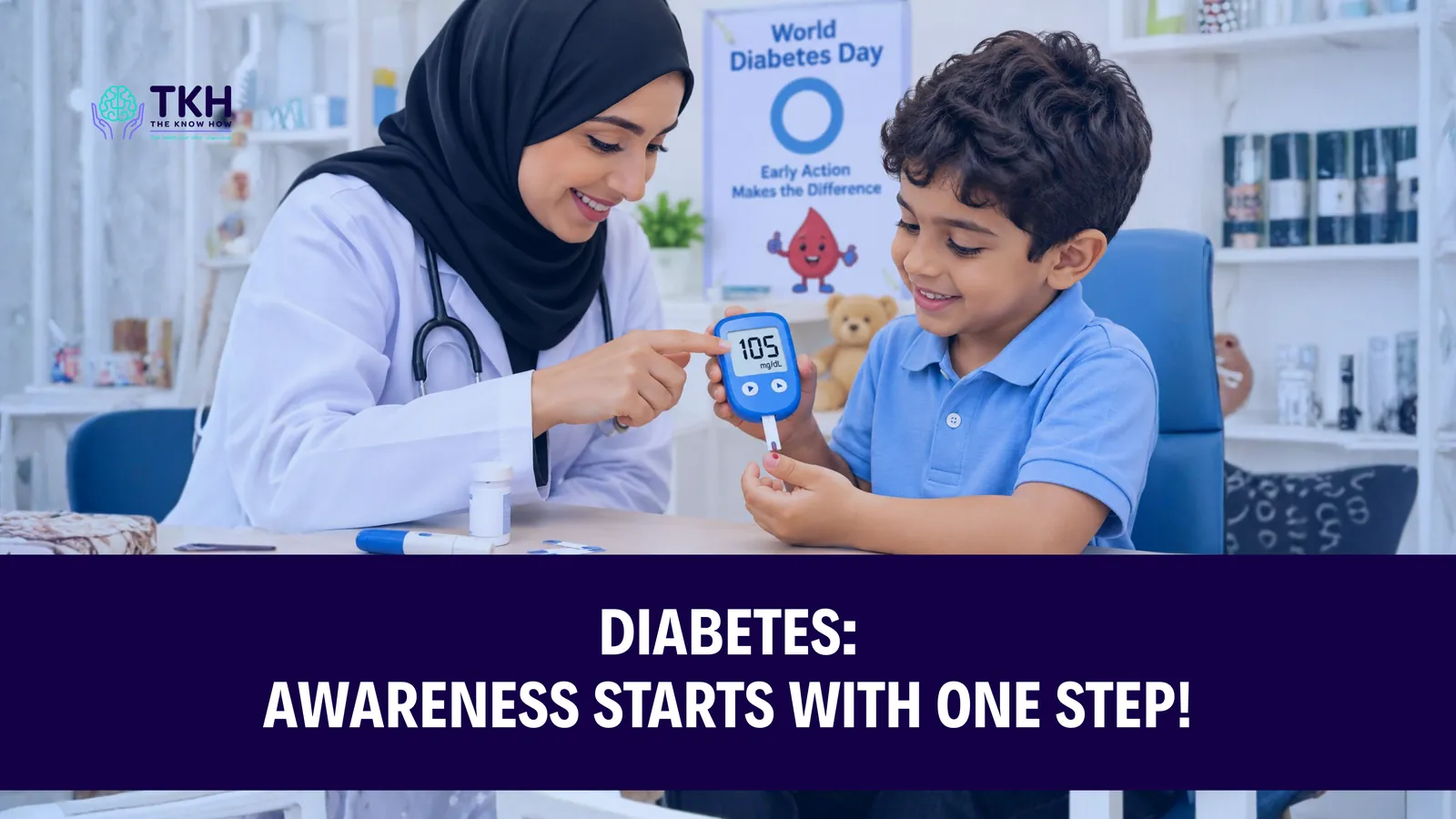
A blood glucose meter measures the glucose level in a small drop of blood, usually obtained from a fingertip. For people living with diabetes, home monitoring can help guide day-to-day decisions about food, activity and medication. The frequency and timing of checks should be agreed with the healthcare team, because monitoring needs differ between individuals and treatments.
Reducing the risk of type 2 diabetes
No single food causes diabetes, and avoiding sugar alone cannot guarantee prevention. Risk is shaped by a combination of genetic, medical, behavioral, and environmental factors. However, sustainable changes can help reduce the risk of type 2 diabetes and support overall health:
- Choose water or unsweetened drinks more often instead of sugar-sweetened beverages.
- Build meals around vegetables, beans and lentils, whole grains and suitable sources of protein.
- Be mindful of portion sizes and limit frequent intake of highly processed foods and foods high in added sugar.
- Aim for regular physical activity. For most adults, WHO recommends at least 150 to 300 minutes of moderate-intensity aerobic activity each week, as health and ability allow.
- If you have excess weight, discuss realistic and sustainable weight-management goals with a healthcare professional.
- Avoid tobacco and attend recommended health checks.
Small, consistent changes are more useful than short-lived, restrictive plans. People already living with diabetes should seek individual dietary advice, especially if they use insulin or medicines that can cause low blood glucose.
Why does long-term diabetes care matter?
Persistently high blood glucose can damage blood vessels and nerves over time. Diabetes can affect the eyes, kidneys, heart, brain, and feet. It increases the risk of vision loss, kidney disease, heart attack, stroke, nerve damage, and foot ulcers. These complications do not happen to everyone, and many can be prevented or delayed through effective treatment and regular follow-up.
Good diabetes care is more than checking glucose. Depending on the person, it may include blood pressure and cholesterol management, kidney function and urine tests, eye examinations, foot assessment, medication review and support with nutrition and physical activity. The schedule should be individualised by the treating team.
Frequently asked questions
Can type 2 diabetes be prevented?
Not in every case, because risk is influenced by factors that cannot be changed, including genetics and age. However, healthy eating patterns, regular physical activity, and weight management can reduce risk and may delay or prevent type 2 diabetes in many people at increased risk.
Can type 1 diabetes be prevented?
There is currently no established lifestyle measure that prevents type 1 diabetes. It is an autoimmune condition and is not caused by eating sugar or by a lack of exercise.
Can someone have diabetes without symptoms?
Yes. Type 2 diabetes can develop gradually and may cause few or no noticeable symptoms for years. A blood test is needed to identify it.
Does a home glucose-meter result diagnose diabetes?
No. A home meter is useful for monitoring in people who have been advised to use one, but diagnosis should be based on appropriate laboratory testing and clinical assessment.
Can diabetes be cured?
Type 1 diabetes currently requires lifelong insulin treatment. Some people with type 2 diabetes can achieve remission, particularly after substantial and sustained weight loss, but remission is not the same as a guaranteed cure, and diabetes can return. Treatment should never be stopped without medical advice.
Can children develop diabetes?
Yes. Type 1 diabetes is common in childhood, and type 2 diabetes can also occur in children and teenagers. Persistent thirst, frequent urination, unexplained weight loss, or unusual tiredness should be assessed promptly.
When a second medical opinion may help
If you have any doubts or concerns about your diagnosis, feel uncertain about your treatment options, or would like reassurance through an independent medical review, TheKnowHow (TKH), based in Abu Dhabi, can help you obtain a second medical opinion from experienced specialists across the world.
Don't hesitate to seek clarity and explore your medical options with confidence.
References
- International Diabetes Federation. World Diabetes Day 2026: Early action on diabetes.
- International Diabetes Federation. IDF Diabetes Atlas: United Arab Emirates (2024 estimates).
- World Health Organization. Diabetes: Fact sheet.
- World Health Organization. Physical activity: Fact sheet.
DISCLAIMER: This information is for general knowledge, should not be taken as medical advice, and you should consult with a healthcare provider if you have health issues.
This article is for general health information and does not replace advice from your treating physician.