Lung Cancer Awareness Beyond Awareness: Prevention, Early Detection, and Patient Support
Lung cancer awareness should go beyond the diagnosis. This article covers preventable risks, including shisha, dokha and medwakh, the symptoms that need a medical assessment, low-dose CT screening for eligible high-risk people in Abu Dhabi, treatment options after a diagnosis, and support without stigma.
Why We Need to Look Beyond the Diagnosis
Lung cancer remains a major public health challenge. The World Health Organization (WHO) identifies lung cancer as the leading cause of cancer cases and deaths worldwide it is not one single disease: the two main groups are non-small-cell lung cancer (NSCLC), which accounts for most cases, and small-cell lung cancer (SCLC), which is less common but tends to grow and spread more quickly.
Some people have no noticeable symptoms in the early stages. When symptoms occur, they may include a cough that does not go away, chest pain, shortness of breath, coughing up blood, fatigue, unexplained weight loss or repeated chest infections. These symptoms can also have other causes, so medical assessment is important rather than assuming they indicate cancer.
Lung cancer awareness should go beyond knowing the diagnosis. It should encourage people to understand preventable risks, seek medical advice when needed and have informed conversations about screening and treatment. Each November offers an opportunity to make these conversations easier and more supportive.
Lung Cancer Prevention Starts with Everyday Choices
Smoking remains the most important preventable risk factor for lung cancer. Tobacco smoke contains harmful substances that can damage lung cells over time. The risk is not limited to cigarette smoking: shisha, dokha, and medwakh are also forms of smoked tobacco and should not be considered harmless.
Other factors can also contribute to lung cancer risk, including:
- Exposure to second-hand tobacco smoke.
- Outdoor and household air pollution.
- Workplace exposure to asbestos, silica, diesel exhaust and other hazardous substances.
- Radon exposure.
- Certain chronic lung conditions and genetic susceptibility.
Reducing exposure where possible, following workplace safety guidance and maintaining smoke-free environments are practical ways to support lung health.
Is It Ever Too Late to Stop Smoking?
No. Quitting smoking is beneficial at any age and can improve health even after many years of tobacco use. For people already diagnosed with lung cancer, stopping smoking can support overall health and may reduce treatment-related complications.
Nicotine dependence can make quitting difficult, and repeated attempts are common. A healthcare professional can discuss behavioural support, counselling, and appropriate treatment options. The conversation should be supportive and free of blame: people are more likely to seek help when they feel respected.
Understanding Early Detection: When Should You Seek Medical Advice?
Early lung cancer may not cause noticeable symptoms. If you develop a persistent cough, unexplained breathlessness, chest discomfort, coughing up blood, unexplained weight loss or repeated chest infections, arrange a medical assessment. These symptoms do not necessarily mean cancer, but they should not be ignored.
It is also useful to distinguish early diagnosis from screening. Early diagnosis means investigating symptoms or an abnormal finding. Screening is offered to people without symptoms who meet defined high-risk criteria.
What Is Low-Dose CT Screening?
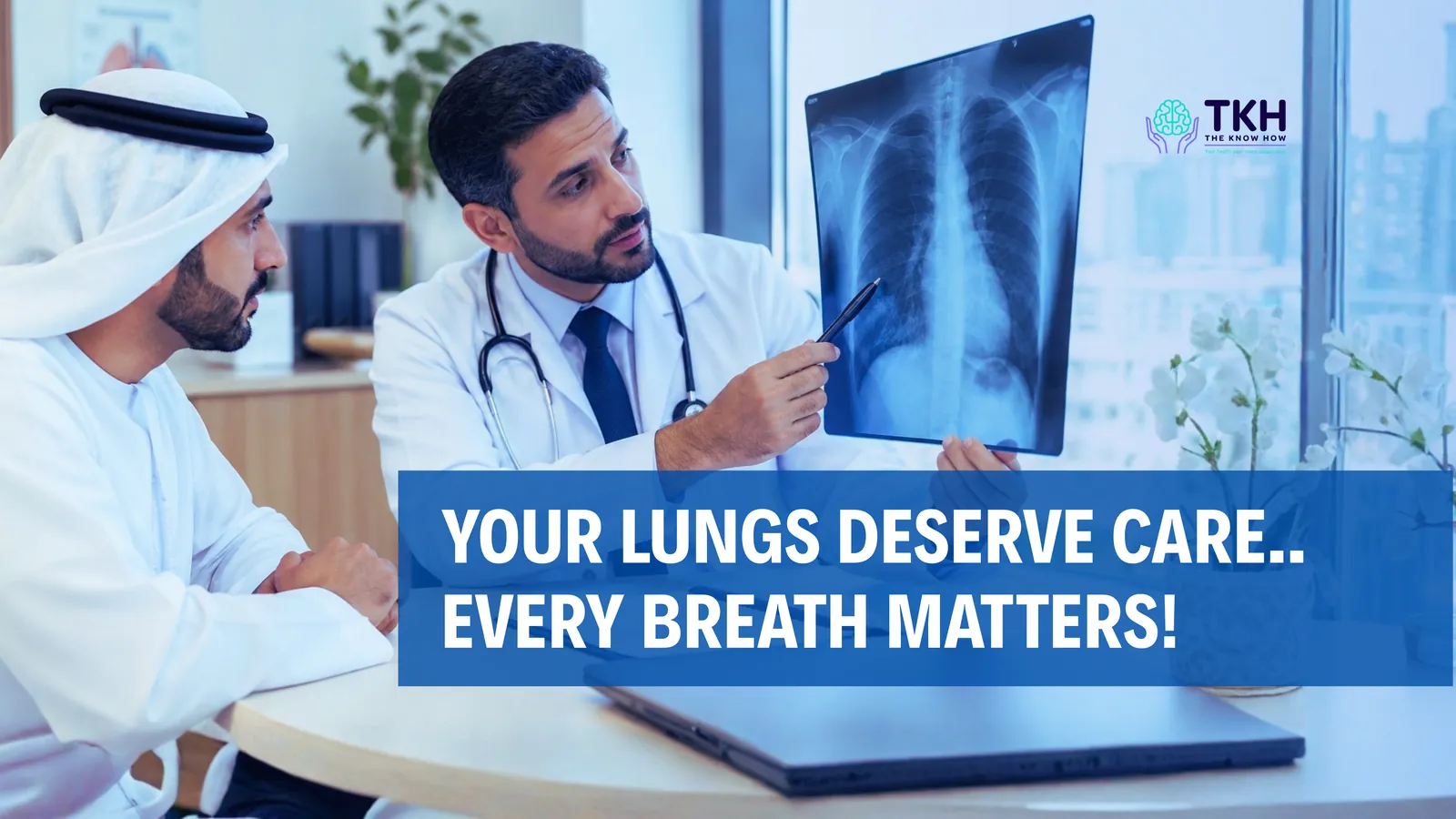
Low-dose computed tomography (LDCT) uses a relatively low dose of radiation to create detailed images of the lungs. Evidence supports its use for selected high-risk individuals, when screening is delivered with appropriate follow-up.
In Abu Dhabi, the Abu Dhabi Public Health Centre (ADPHC) provides information about lung cancer screening eligibility and licensed screening facilities. Its current guidance includes people aged 55 to 75 years who meet specified smoking-history and health criteria. Eligibility can differ according to the individual's history and local programme requirements, so ask your doctor or screening provider to confirm whether LDCT is appropriate.
For current local criteria and screening locations, visit ADPHC, Lung Cancer Programme
A Lung Cancer Diagnosis: Understanding Your Options
A lung cancer diagnosis can bring many questions for patients and families. The next steps depend on the type and stage of cancer, the tumour's molecular characteristics, the patient's general health and personal preferences.
Treatment may involve surgery, radiotherapy, chemotherapy, targeted therapy or immunotherapy, alone or in combination. Biomarker testing may also help the medical team identify treatments that are suitable for a particular tumour.
Patients can take an active role by asking what the test results mean, whether biomarker testing has been completed, what the goals of treatment are and whether other options or clinical trials should be discussed.
The Human Side of Lung Cancer: Support Without Stigma
Not everyone diagnosed with lung cancer has smoked. People who have never used tobacco can also develop disease, and environmental exposures and other factors may contribute to risk.
Even when smoking has played a role, no one deserves cancer or should feel less entitled to care. A diagnosis can affect emotional well-being, family life, daily activities and financial stability. Listening without judgment, answering questions clearly, and helping patients understand their options are important parts of good care.
Frequently Asked Questions About Lung Cancer
Can people who have never smoked develop lung cancer?
Yes. Although smoking is the leading risk factor, lung cancer can also occur in people who have never smoked. Second-hand smoke, air pollution, radon, workplace exposures and genetic susceptibility may contribute.
Does shisha increase the risk of lung cancer?
Yes. Shisha involves inhaling tobacco smoke and exposes the lungs to harmful substances. It should not be considered a safe alternative to cigarettes.
Is lung cancer screening recommended for everyone?
No. LDCT screening is intended for people who meet defined high-risk criteria. Age, smoking history, and other risk factors help determine whether screening is appropriate.
Can lung cancer occur without symptoms?
Yes. Early lung cancer may not cause noticeable symptoms. This is one reason screening may be considered for eligible high-risk people, even when they feel well.
Does quitting smoking help after a lung cancer diagnosis?
Yes. Quitting can benefit overall health and may reduce treatment-related complications. Patients can ask their care team about available cessation support.
Does an abnormal lung scan mean cancer?
No. An abnormal finding does not automatically mean cancer. Depending on the scan, doctors may recommend follow-up imaging, further tests, or a biopsy.
When might a patient consider a second medical opinion?
A second opinion may be useful when the diagnosis is complex, major treatment decisions are being considered, cancer is rare, or the patient wants an independent review of the proposed plan.
Simple actions can support prevention, early assessment and informed decisions.
TheKnowHow: Supporting Informed Medical Decisions
A lung cancer diagnosis can raise difficult questions about investigations, treatment choices and the best way forward. TheKnowHow Independent Second Medical Opinion Service provides access to independent assessments from local and international medical specialists through a review of available medical records and investigations.
The service is designed to complement the care provided by the treating physician, offering an additional perspective on the diagnosis and proposed treatment options.
To explore lung cancer diagnosis, staging and available treatment options in more detail, read our previous article:
https://theknowhow.ae/blog/lung-cancer-second-opinion-uae/
Sources:
https://www.who.int/news-room/fact-sheets/detail/cancer
https://www.adphc.gov.ae/en/Public-Health-Programs/Cancers-Program/Lung-Cancer
DISCLAIMER: This information is for general knowledge, should not be taken as medical advice, and you should consult with a healthcare provider if you have health issues.
This article is for general health information and does not replace advice from your treating physician.