Every Drop Matters: Supporting the Sickle Cell Community.
The 19th June each year marks a milestone in the awareness activities over the years carried out by patients, advocacy groups, doctors, scientists and global policy-makers to shed a light on the issues and hurdles encountered by people living with one of the world’s most prevalent and potentially life-threatening genetic disorders. Today’s designated World Sickle Cell Awareness Day serve as a reminder, to us all that though sickle cell is universal, we can take on all the consequences of it.
What is Sickle Cell Disease?
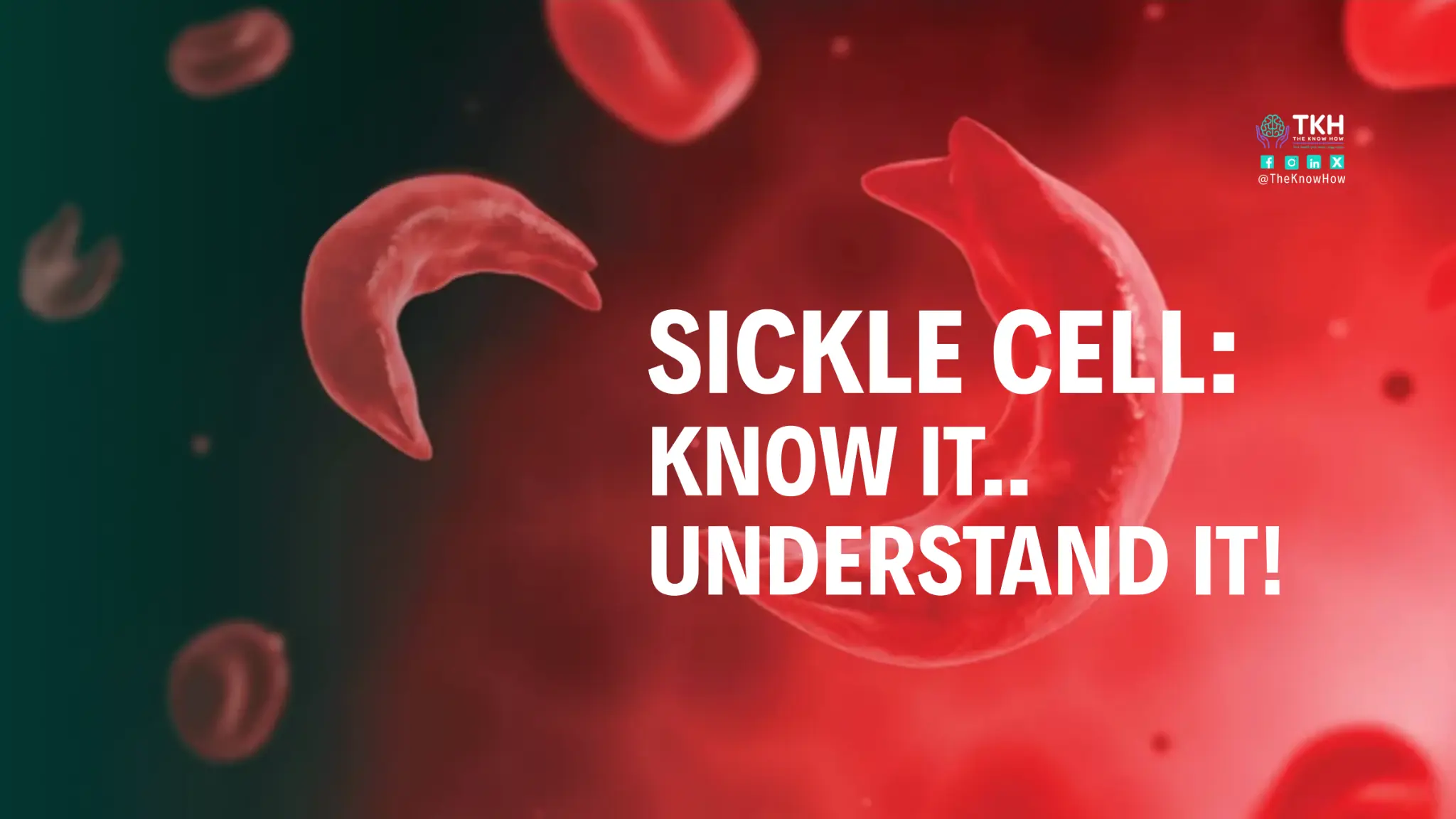
Sickle cell disease is much more than just a blood condition; it is a serious, inherited, lifelong disorder in which a defect in the hemoglobin gene causes sickled blood cells. Instead of pliable discs that move easily through blood vessels, sickle cells become rigid and have a curved shape, much like a sickle. These sickled cells interfere with the flow of blood through the body’s tiny blood vessels. They also break down more quickly than normal red blood cells and do not deliver adequate oxygen to the tissues and organs of the body.
In sickle cell disease, children inherit the defective hemoglobin gene from both parents. A person who inherits just one copy of the sickle cell gene from one parent carries the sickle cell trait. Typically, individuals with sickle cell trait do not have symptoms, but they can pass the defective gene to their children. Therefore, genetic counseling plays an important role in prevention efforts for at-risk couples and families.
Despite being one of the most common inherited blood disorders in the world, sickle cell disease is one of the most widely underdiagnosed and undertreated conditions. Many patients endure years of symptoms without proper diagnosis and management.
World Sickle Cell Awareness Day 2026: Theme & Significance
“Closing the Survival Gap: Equity in Sickle Cell Care” is the theme for World Sickle Cell Awareness Day 2026 and will focus on highlighting the importance of equitable access to diagnosis and care for all those affected by the disorder worldwide. This is of particular significance to communities with disparities in specialist hematological care access.
World Sickle Cell Awareness Day (WSDAD) was first proclaimed by the UN in 2008 and is now recognized by more than 100 countries, with hospital based screenings, educational programs, community advocacy events, and public awareness campaigns taking place each year. The day is a crucial opportunity to advance progress, foster collaboration and eliminate the stigma and challenges associated with this rare disease.
Causes & Genetics
Sickle cell disease results from a point mutation in the HBB gene that encodes for the beta-globin component of hemoglobin. It is an autosomal recessive disorder:
* Inheriting one normal and one mutated gene leads to sickle cell trait carrier
* Inheriting two mutated genes leads to sickle cell disease
* If both parents are carriers of the trait, there is a 1 in 4 (25%) risk of having a child with the disease
The disease is particularly prevalent in populations from sub-Saharan Africa, the Indian subcontinent, the Middle East and the Mediterranean where sickle cell trait offers some protection from malaria.
Types of Sickle Cell Disease
* Sickle Cell Anaemia (HbSS)
* HbSC Disease
* Sickle Beta-Thalassaemia (HbS)
* HbSD and HbSE Disease
Signs & Symptoms
Symptoms typically start around six months of age and vary in severity, but include a range of problems affecting various body systems. The most common symptom is the vaso-occlusive (VOE) or pain crisis – episodes of acute, severe pain triggered by blockages of blood flow.
* Pain Crises
* Anaemia
* Jaundice
* Dactylitis
* Acute Chest Syndrome (ACS):
* Stroke
* Splenic Sequestration Crises
* Delayed Growth and Puberty
* Increased Risk of Infections
* Priapism
* Vision Impairment and Blindness
* Organ Damage
Diagnosis & Assessment
Sickle cell disease can be diagnosed from the fetus until death. Tests include:
* Newborn Screening
* Haemoglobin Electrophoresis / HPLC: standard test
* Prenatal Testing
* Carrier Screening
* TCD (Transcranial Doppler) Ultrasound
* Full Blood Count & Biochemistry
Treatment
Management strategies focus on reducing the severity and number of pain crises and other complications, treating acute emergencies, and preventing organ damage.
Disease-Modifying Therapy
* Hydroxyurea (hydroxycarbamide)
* L-Glutamine
* Voxelotor
* Crizanlizumab
Transfusion Therapy
Blood transfusions can prevent serious complications like stroke (particularly important for children with a high stroke risk detected by TCD ultrasound), manage chronic anaemia, and help to treat severe pain crises, splenic sequestration, and acute chest syndrome.
Curative Treatment: Bone Marrow / Stem Cell Transplantation
Haematopoietic stem cell transplantation (HSCT), performed from a matched donor (typically a matched sibling), offers a potential cure for sickle cell disease, most successfully when done in childhood before significant end-organ damage has occurred. Increasingly, HSCT using matched unrelated donors is also available.
Gene therapy
Gene therapy offers hope for the future treatment of sickle cell, and the recent approval of gene therapies betibeglogene autotemcel (Zynteglo) and exagamglogene autotemcel (Casgevy – the first CRISPR-based therapy approved to treat disease in people) in the UK and USA, provides a welcome new phase in the treatment of sickle cell.Gene therapies work by editing the person’s own stem cells to functionally cure them, and we expect they will become available to more people in the years to come.
Supportive & preventive care
Ongoing care for sickle cell includes: preventive penicillin and vaccinations to ward off infections; tailored plans to manage pain for sickle cell crises and chronic pain; supplementary folic acid; eye, kidney, and heart screening and monitoring; and emotional and psychological support for those affected.
While living with sickle cell disease presents ongoing challenges, advances in medical care continue to improve patient outcomes. Raising awareness, encouraging regular medical follow-up, and promoting comprehensive care are essential steps toward helping individuals lead healthier, more fulfilling lives.
For More Information About Sickle Cell Disease:
For additional information visit:
https://www.sarvodayahospital.com/blog/world-sickle-cell-awareness-day-2026
https://www.moh.gov.sa/en/healthawareness/healthday/2025/pages/healthday-2025-06-19-001.aspx
Previous blog: