Receiving a cancer diagnosis is a profoundly disruptive human experience. In the immediate aftermath, patients often feel an intense pressure to begin treatment immediately—frequently scheduling surgeries, chemotherapy, or radiation sessions within days of their initial consultation. This urgency is completely understandable, but rushing forward without validating your data can lead to serious diagnostic complications. Modern oncology reveals an important truth: a cancer diagnosis is not a simple binary finding. It is a highly complex, interpretive science.
Because a tumor’s specific classification dictates everything about how it should be treated, ensuring that your initial diagnosis is completely accurate is paramount. Seeking an independent secondary evaluation before committing to an aggressive treatment path is not a sign of denial; rather, it is a vital step to verify that your care plan matches your specific pathology.
The Room for Interpretation: Why Cancer Diagnoses Diverge
Many people believe that viewing cancer cells under a microscope yields an immediate, indisputable answer. In reality, pathology requires an immense amount of subjective interpretation. Different pathologists looking at the exact same tissue sample can—and do—arrive at distinct conclusions regarding the cancer’s exact type, grade, and origin.
The Subtleties of Pathology: Reading the Cellular Landscape
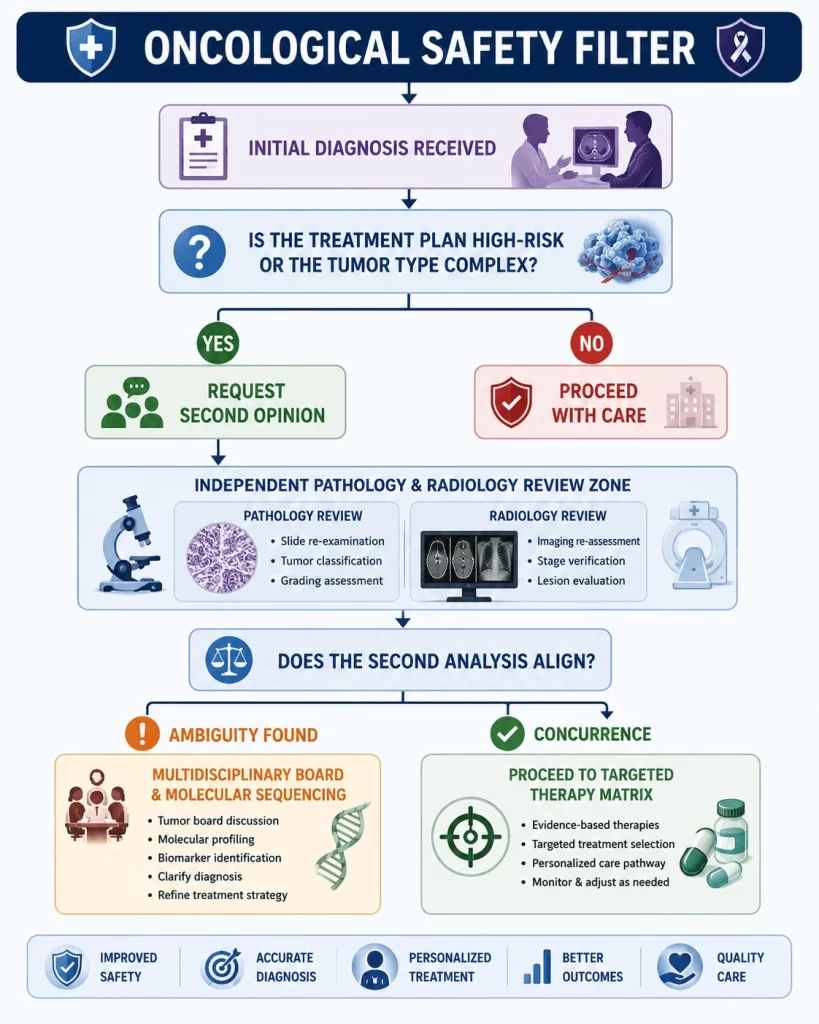
Certain malignancies, such as lymphomas, sarcomas, and rare neuroendocrine tumors, are notoriously difficult to classify. Lookalike cells can easily lead to an incomplete or incorrect diagnosis. A localized, general pathologist may not encounter these rare cellular variations often, whereas a dedicated sub-specialist focusing exclusively on a single organ system brings deep, focused experience to your slides.
For individuals managing complex diagnoses locally, requesting a formal Second Medical Opinion UAE provides a centralized path to have your raw biopsy blocks and imaging files completely re-evaluated by leading independent experts. This process helps catch subtle details before the first therapeutic step is taken.
Staging Discrepancies: The Line Between Curative and Palliative Care
Accurate staging defines whether a tumor is considered localized (potentially curable through surgery) or metastatic (requiring systemic, life-long therapies). A secondary look at your PET, CT, or MRI scans by an independent radiologist can frequently lead to a re-evaluation of your cancer’s exact stage. Discovering that a small spot on a scan is benign inflammation rather than a metastatic tumor can completely shift your treatment strategy from standard palliative management back to a proactive, curative path.
Molecular Refinement: Discovering Your Tumor's Unique Blueprint
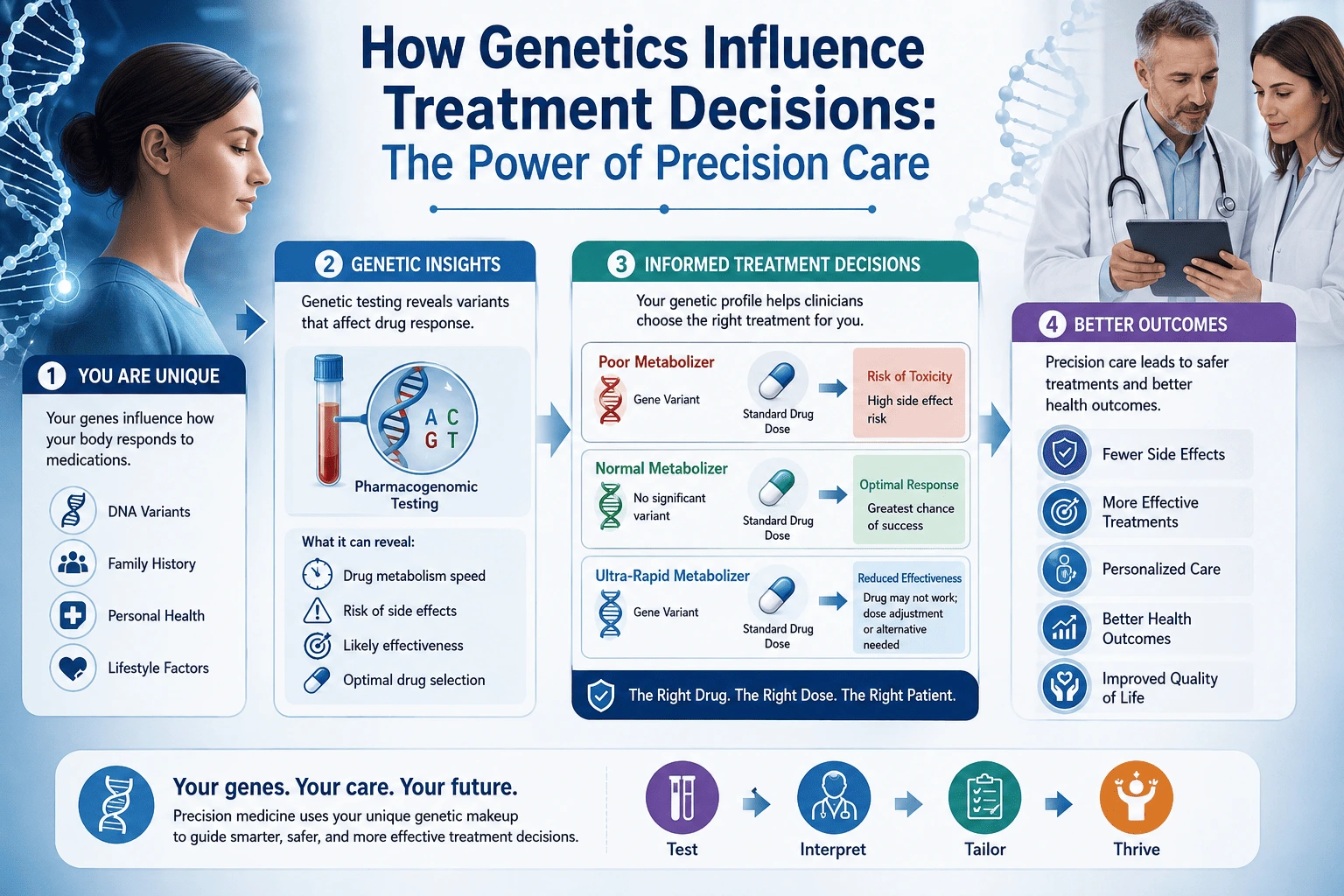
The modern approach to oncology has evolved past looking at tissue origins alone. Today, we understand that two tumors appearing identical under a standard microscope can behave in entirely different ways based on their hidden genetic variations.
Receptor Status Changes: A Complete Shift in Medication Selection
In breast, lung, and colorectal cancers, treatment success depends heavily on checking for specific biological receptors and genetic markers, such as HER2, EGFR, ALK, or PD-L1. If an initial biopsy reading misses or misidentifies these markers, a patient might be prescribed highly toxic chemotherapies that provide no benefit, while missing out on highly effective therapies.
By integrating advanced Precision Medicine UAE screening tools into your secondary review, specialists can analyze the tumor’s exact molecular and genomic profile. This maps out targetable genetic mutations and empowers your care team to prescribe highly advanced immunotherapies designed to destroy cancer cells with absolute molecular precision.
| Cancer Profile Type | Initial Diagnostic Approach | Advanced Secondary Strategy | Clinical Plan Shift |
| Non-Small Cell Lung Carcinoma | Standard tissue staining and broad population chemotherapy scheduling. | Deep-panel genomic sequencing for EGFR, ALK, ROS1 mutations. | Swapping toxic systemic chemo for targeted oral tyrosine kinase inhibitors. |
| Invasive Breast Carcinoma | Localized hormone receptor review via standard biopsy samples. | Centralized digital pathology audit and genomic recurrence scoring (e.g., Oncotype DX). | Safely eliminating chemotherapy for low-risk patients in favor of targeted hormone blocks. |
| Unclassified Metastatic Cancer | Traditional broad chemotherapy targeting the suspected primary organ site. | Next-generation sequencing (NGS) to measure Tumor Mutation Burden (TMB). | Deploying targeted immunotherapies based on the tumor’s genetic profile rather than its location. |
Unlocking Access to Cutting-Edge Clinical Trials
A secondary review at a major tertiary care center often opens the door to emerging clinical trials. Independent specialists are frequently deeply involved in active clinical research, allowing them to connect you with novel targeted therapies or immunotherapies that are currently yielding impressive survival data but are not yet available at standard community clinics.
The Power of the Panel: Multidisciplinary Tumor Boards vs. Solitary Opinions
When you consult a single oncologist, your treatment plan is naturally shaped by that individual’s specific background and specialty. A surgical oncologist may favor early operative resection, while a medical oncologist may lean toward starting chemotherapy immediately.
Seeking a comprehensive second opinion at a major center helps remove this individual bias by bringing your case before a multidisciplinary tumor board. This specialized panel brings together surgical oncologists, medical oncologists, radiation experts, pathologists, and genomic specialists to evaluate your case from every angle. This collaborative approach ensures that the recommended strategy reflects a true medical consensus, balancing every available tool to find your optimal path forward.
Addressing Time-Sensitivity: Does a Second Look Introduce Dangerous Delays?
The single biggest reason patients hesitate to seek a second opinion is the fear of losing valuable time. While this concern is completely natural, extensive clinical tracking demonstrates that for the vast majority of solid tumors and blood cancers, taking 7 to 14 days to collect your data and secure an independent review does not cause the disease to progress or negatively impact your survival outcome.
In contrast, the time lost by starting an incorrect, non-targeted treatment plan can be incredibly difficult to overcome. Undergoing an unnecessary surgery or taking ineffective medications can compromise your physical reserves and delay your access to the precise therapies your body actually needs. Taking a brief, deliberate pause to verify your data is a safe, highly protective strategy.
Maximizing Your Evaluation: Organizing Your Oncological Records
To ensure your secondary specialist has everything they need for an exhaustive, top-down audit of your case, you need to collect your complete raw clinical files. Do not rely on basic written summaries. You have a legal right to access your full medical file, which should include:
The Complete Histopathology Pack: Secure your original pathology slides and, more importantly, the raw physical tissue biopsy blocks (embedded in paraffin wax). This allows the secondary laboratory to perform independent chemical staining and genomic sequencing.
Raw DICOM Imaging Discs: Obtain copies of your original PET, CT, MRI, and mammography scans on a disc or a secure digital cloud drive, ensuring the specialist can review the raw images rather than just the written report.
Comprehensive Laboratory History: Compile all blood panels, tumor marker trends (e.g., CEA, CA-125, PSA), and genetic counseling assessments.
Clinical Peace of Mind: Facing Your Recovery with Data-Driven Confidence
The true benefit of a secondary oncological review is backed by clear global data: institutional studies show that second opinions refine or completely overhaul an initial cancer treatment plan in up to 30% of cases.
If the secondary specialist completely agrees with your original doctor’s plan, you can begin your therapy with complete peace of mind, knowing your approach has been verified by independent experts. If they discover a key diagnostic error or reveal a safer, more targeted alternative, you open the door to a more effective recovery path. Either way, taking control of your data ensures that you face your recovery with absolute clinical certainty.