“Patient safety is not optional—it’s the foundation of trust in healthcare.”
Theknowhow
TKH
WHO about Patient Safety Awareness Day
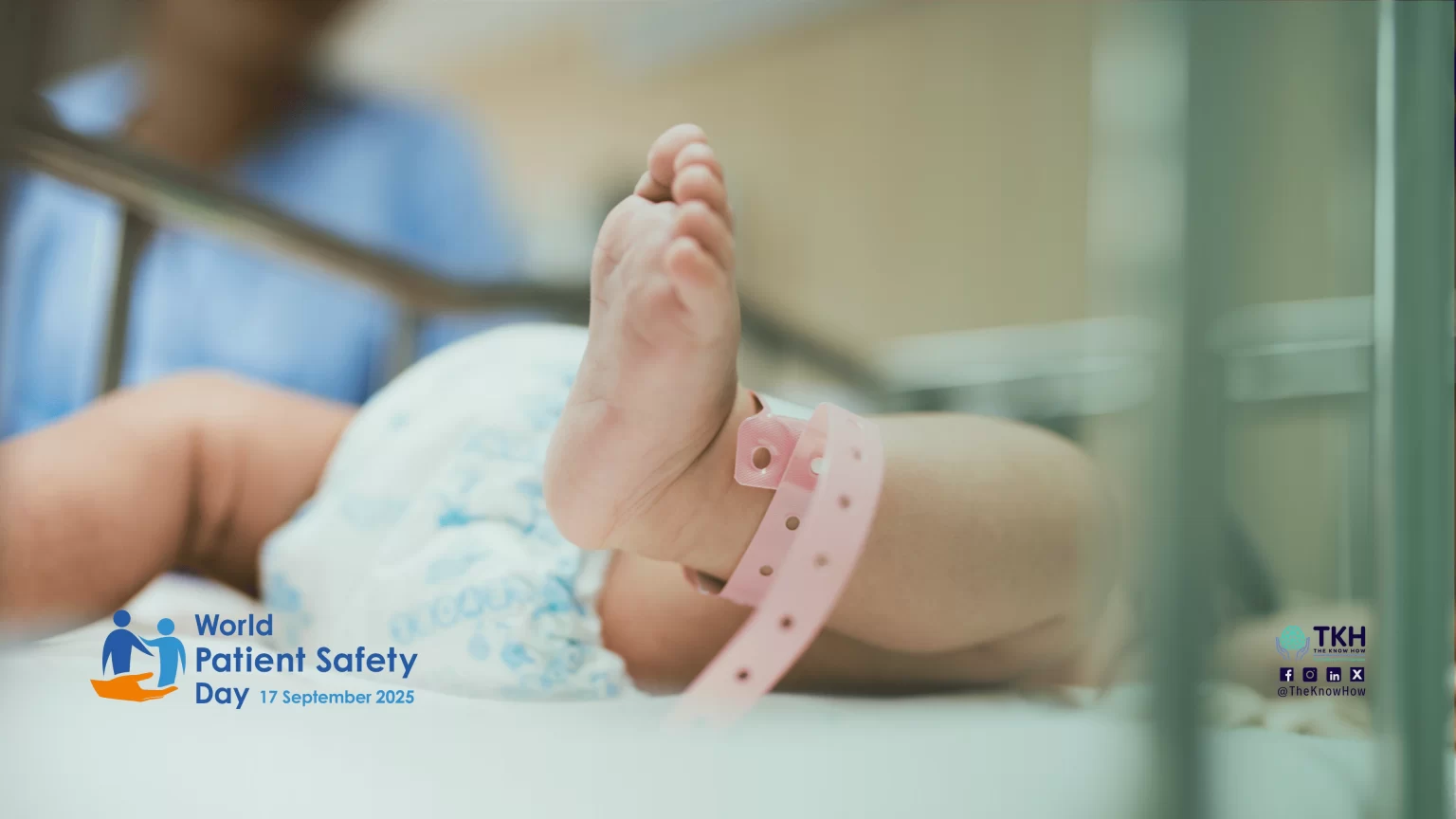
Every child has the right to safe, quality health care—from the very beginning. Yet, newborns and young children face higher risks due to their rapid development, evolving health needs, and different disease patterns. They rely on adults to speak up and make decisions for them.
Children may also face added challenges depending on their socio-economic circumstances, such as not being able to get the care they need.These factors make them more susceptible to harm if care isn’t specifically adapted to their age, size, health condition, and context.
A single safety incident can have lifelong consequences for a child’s health and development. That’s why World Patient Safety Day 2025 is dedicated to ensuring safe care for every newborn and child, with a special focus on those from birth to nine years old.
This year’s slogan, “Patient safety from the start!”, emphasizes the urgent need to act early and consistently to prevent harm throughout childhood, and yield benefits across the life course.
Little Patients, Large Risks – Pediatric Patient Safety
When it comes to healthcare, keeping patients safe is absolutely essential. But newborn babies and children are not just “small adults.” Their unique physical features, growing bodies, and special medical needs mean they are at higher risk of errors and harm during treatment. Studies show that around 1% or more of hospitalized children experience medical problems that could have been prevented, highlighting a critical need for focused safety efforts in pediatric care.
Sick Kids—Caregiver's Consent Needed
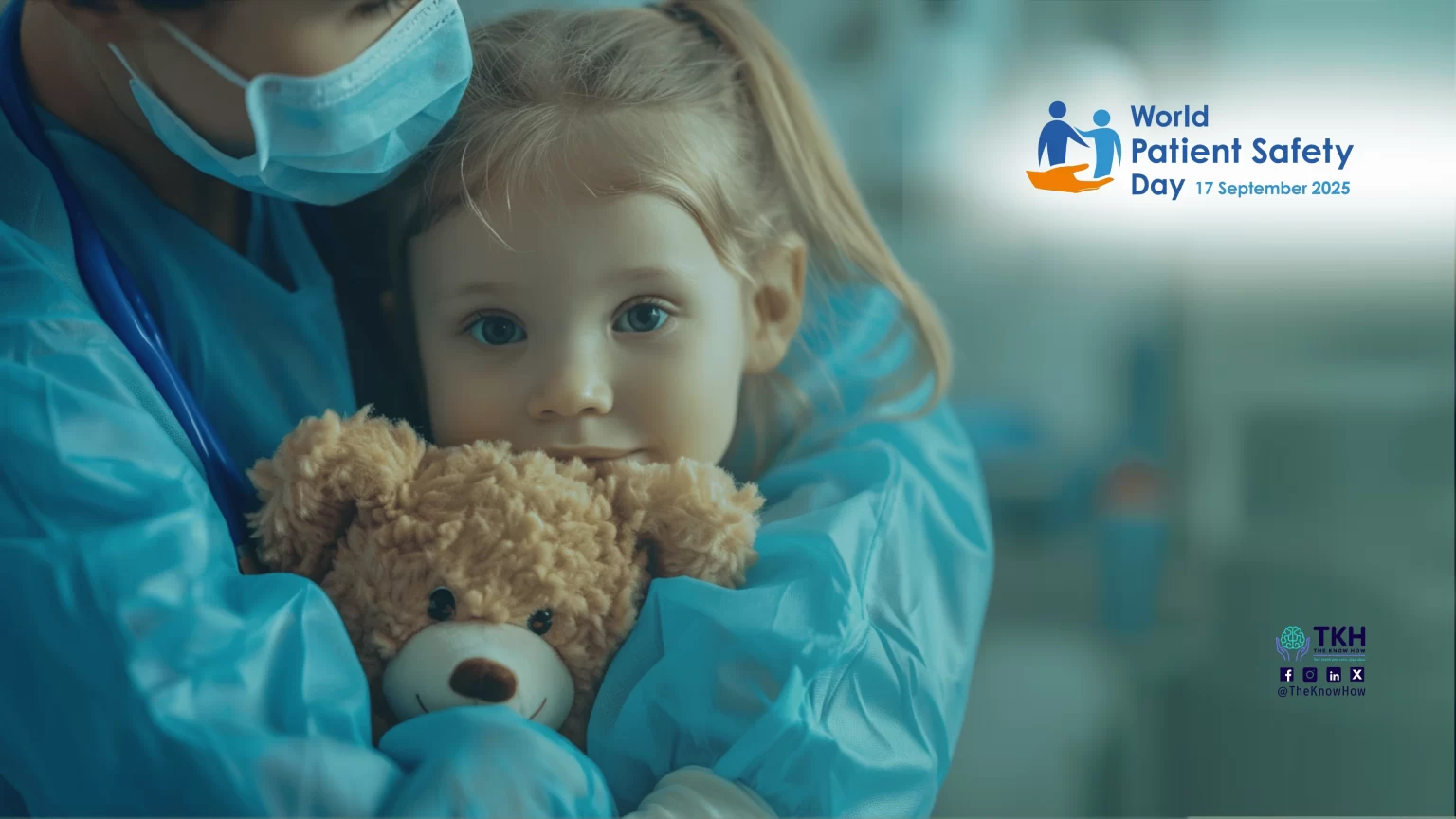
One major challenge is that children often cannot fully understand or consent to treatments. Since their ability to decide changes with age and development, healthcare providers and families must work closely together using a shared decision-making approach. This is especially important in complex areas like pediatric oncology, where treatment decisions require balancing medical benefits with a child’s well-being.
Children do better in hospitals designed specifically for them, where staff are trained in pediatric care and the physical environment is adapted to kids’ needs. Emergency and intensive care units in children’s hospitals are safer because they follow specialized protocols to reduce medical errors.
General hospitals that treat children often face more safety challenges because they don’t always have pediatric-focused resources.
Medical Guidelines Made For Adults
There’s also a shortage of clinical guidelines made specifically for children. Many drugs and therapies used in pediatric care are not officially approved for children, which means doctors often have to rely on experience and evidence from adult studies, creating risks. Experts agree that pediatric guidelines need to be updated regularly and be based on the best available evidence.
Errors—Learning From Them Instead Of Blame And Shame
To improve safety culture in children’s healthcare, training for medical staff is vital. The most common causes of harm are known and include errors with medications and diagnosis, infections caught during care, problems with medical equipment, such as tubes or monitors, and missed warning signs when a child’s condition starts getting worse.
Teams must recognize risks and errors, learn from mistakes, which may have heartbreaking consequences without blame, and collaborate well across specialties. One useful tool is the “clinical pathway,” a clear, step-by-step plan for managing care that helps standardize treatment and improve outcomes.